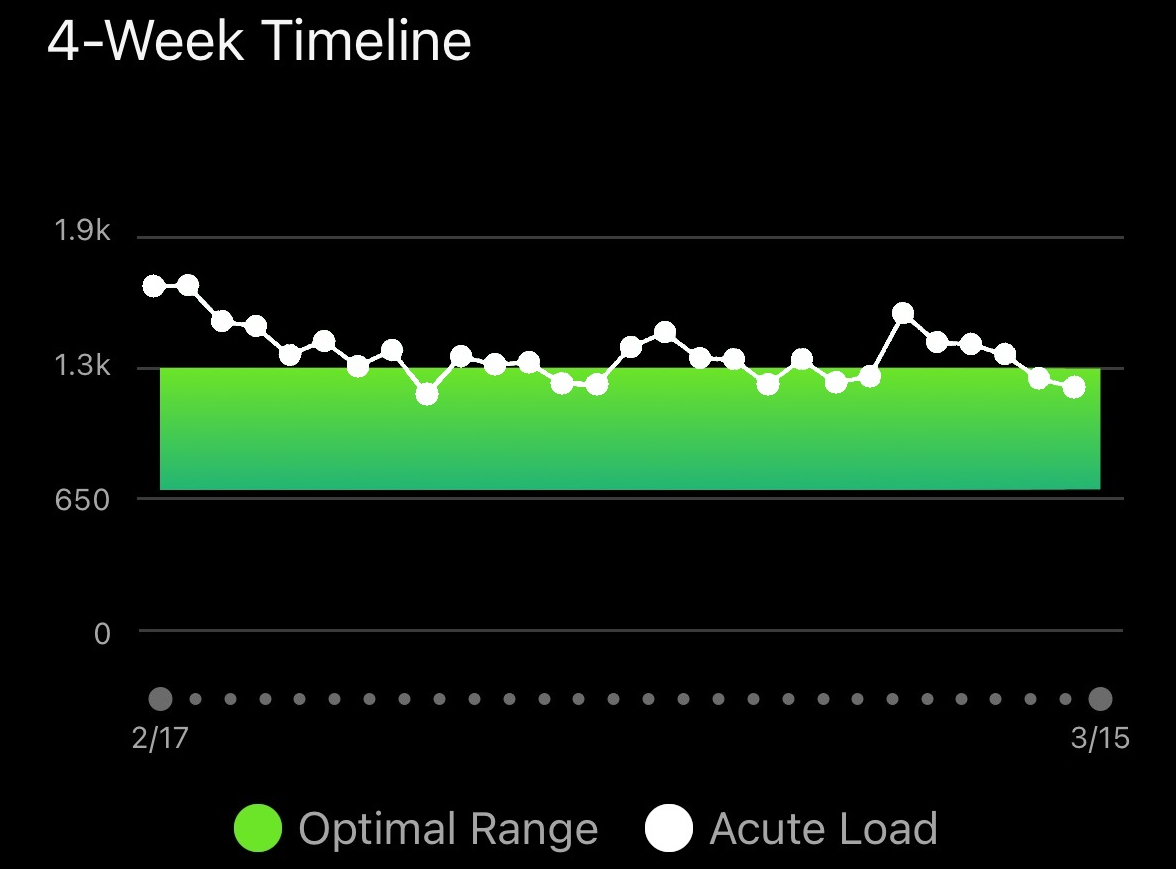
Imagine having a personal coach who watches over you 24 hours a day, analyzing your every heartbeat, monitoring your sleep, and calculating exactly how hard you should push yourself in each workout. That’s essentially what modern Garmin devices offer through their sophisticated training metrics. However, without understanding what these numbers mean and how they work together, it’s like having that coach speak to you in a foreign language.
This guide will take you on a journey through Garmin’s training ecosystem, starting with the fundamental concepts and gradually building to advanced training strategies. By the end, you’ll not only understand what each metric means, but more importantly, you’ll know how to use them together to transform your fitness journey.
The Foundation
Before diving into specific metrics, let’s establish why these measurements matter. Think of your body as a complex adaptation machine. When you exercise, you’re not actually getting fitter during the workout itself. Instead, you’re creating stress that signals your body to adapt and become stronger during recovery.
The challenge lies in finding the perfect balance. Too little stress, and your body has no reason to adapt. Too much stress without adequate recovery, and you’re essentially trying to renovate while the construction crew is exhausted. This is where Garmin’s metrics become invaluable.
The Art and Science of Training Load
Now let’s explore how Garmin categorizes the work you do into different training effects. Understanding these categories is crucial because different types of training stress create different adaptations in your body.
Aerobic Training: Building Your Engine
Aerobic training forms the foundation of endurance fitness. When we talk about low aerobic training, we’re referring to efforts that primarily use oxygen to produce energy. During these sessions, your heart rate typically stays below 80% of maximum.
Anaerobic Training
There are two primary anaerobic energy systems. The phosphocreatine system provides immediate power for efforts lasting up to about 10 seconds. The glycolytic system can fuel efforts from about 10 seconds to 2 minutes. Training these systems requires short, intense efforts with adequate recovery.
Status Labels
Detraining simply indicates that you haven’t been training enough to maintain your fitness. While this might sound negative, there are legitimate reasons for detraining periods, such as injury recovery or planned off-seasons.