Garmin’s lineup is now so broad that “buying a Garmin” is no longer one decision. The company sells lifestyle smartwatches, running watches, outdoor adventure watches, dive computers, bike computers, radar tail lights, power meters, indoor trainers, golf watches, handheld GPS units, satellite communicators, kids watches, dash cams, motorsport tools, and more.
As a result, the smartest way to buy Garmin in 2026 is not to ask “What’s the best Garmin?” but rather “What job do I need Garmin to do?” Once you answer that, the lineup becomes much easier to navigate.
In this guide, we cover every major Garmin consumer product available right now, organized by activity type, with current pricing and direct purchase links.
Lifestyle and fitness smartwatches
If you want a smartwatch for health tracking, gym sessions, walks, sleep, and general daily life, Garmin’s core choices break down like this:
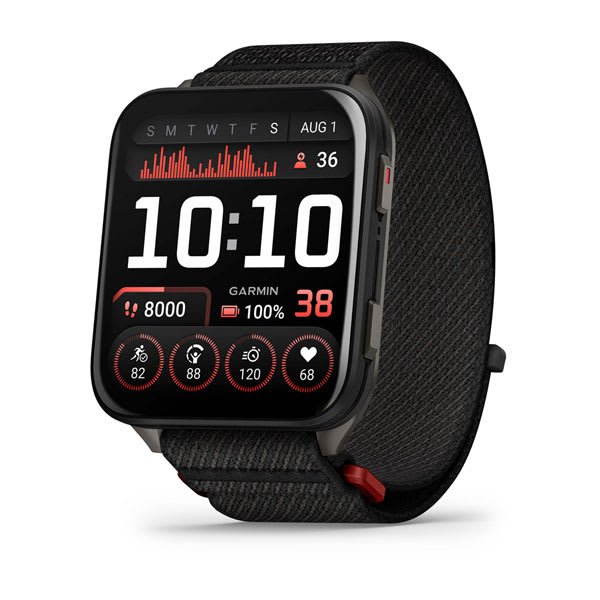
| Watch | Price | Display | Battery | GPS | Best for |
|---|---|---|---|---|---|
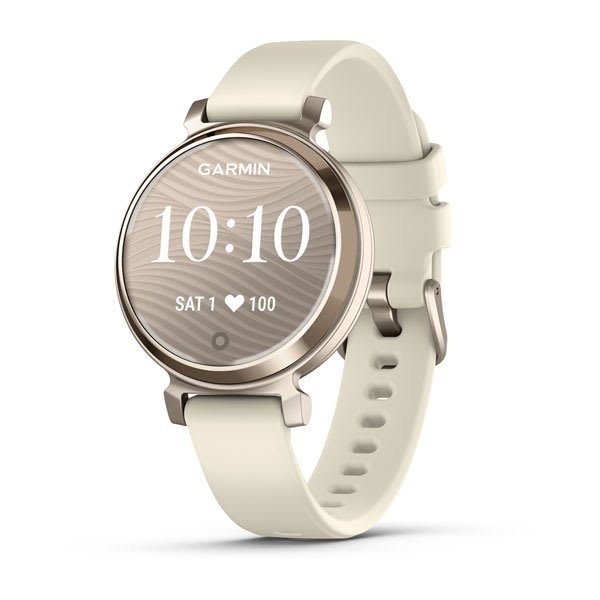
| Lily 2 | $249 | Hidden patterned | 5 days | Connected only | Style-first minimal tracking |
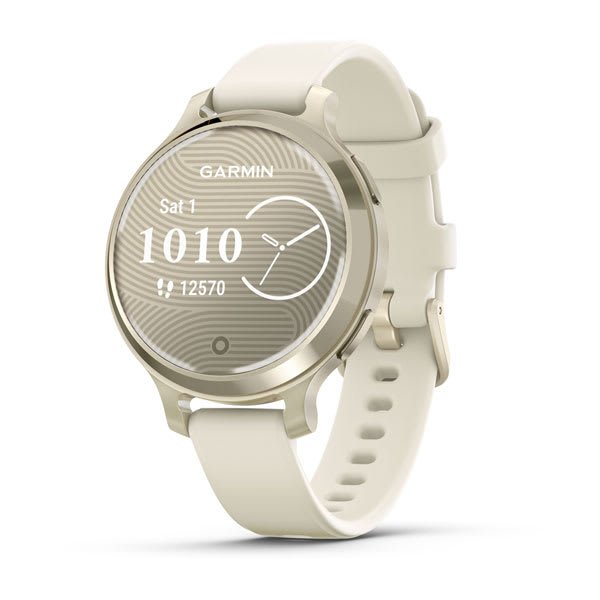
| Lily 2 Active | $299 | Hidden patterned | 9 days | Built-in | Small watch with real GPS |
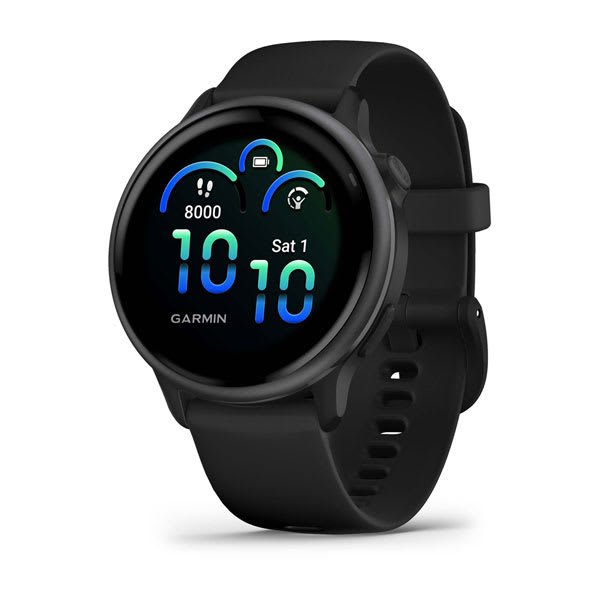
| vívoactive 6 | $299 | 1.2″ AMOLED | 11 days | Multi-system | Value all-rounder |
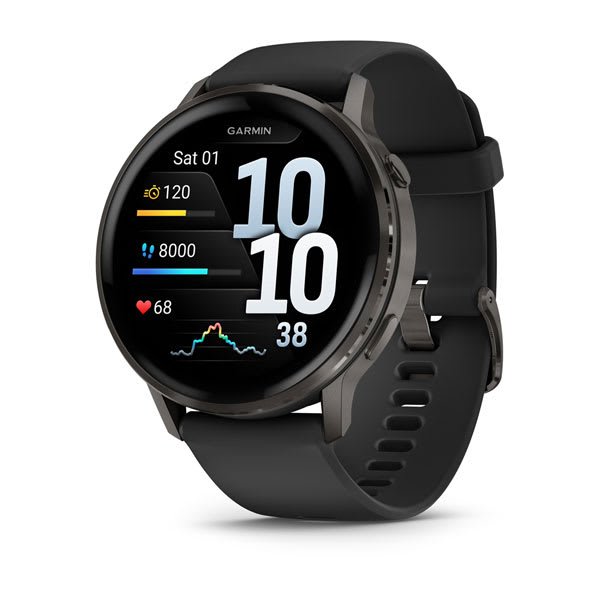
| Venu 4 | $549 | 1.4″ AMOLED | 10–12 days | Multi-band | Best for most people |
| Venu X1 | $799 | 2.0″ AMOLED | 8 days | Multi-band | Large modern smartwatch feel |
Which lifestyle watch should you pick?
The pick for most people: Venu 4. Specifically, it has the strongest health-and-fitness feature set of the lifestyle line — ECG, flashlight, speaker and microphone for calls — without crossing into the price or complexity of Garmin’s sport-specific watches. The 45mm model ($549) gets up to 12 days of battery life.
The vívoactive 6 at $299 is the value play. You get AMOLED, Body Battery, 80+ sport profiles, and 11 days of battery. So if you don’t need the Venu 4’s premium extras, this saves you $250.
The Venu X1 is for people who specifically want a bigger, thinner, more modern smartwatch design. Its 2-inch AMOLED display with sapphire lens looks nothing like a traditional Garmin. However, at $799, it only makes sense if that design matters to you more than raw battery life.
The Lily 2 Active fills a real gap — it’s Garmin’s smallest watch with built-in GPS, making it the pick for anyone who wants fitness tracking without a chunky wrist presence.
Running and triathlon watches
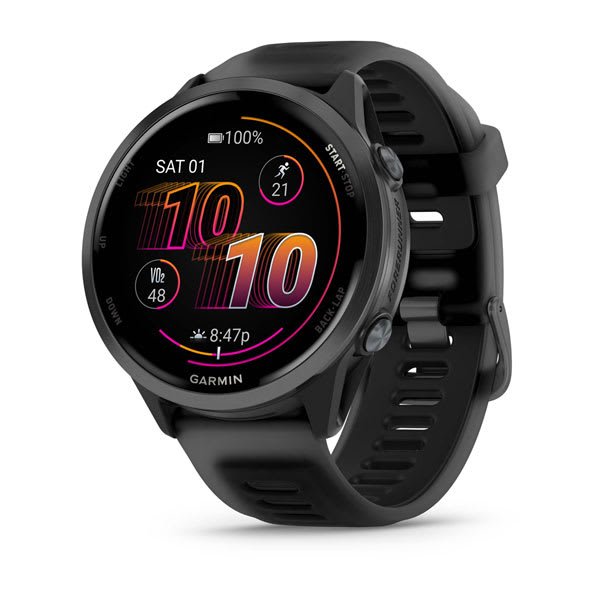
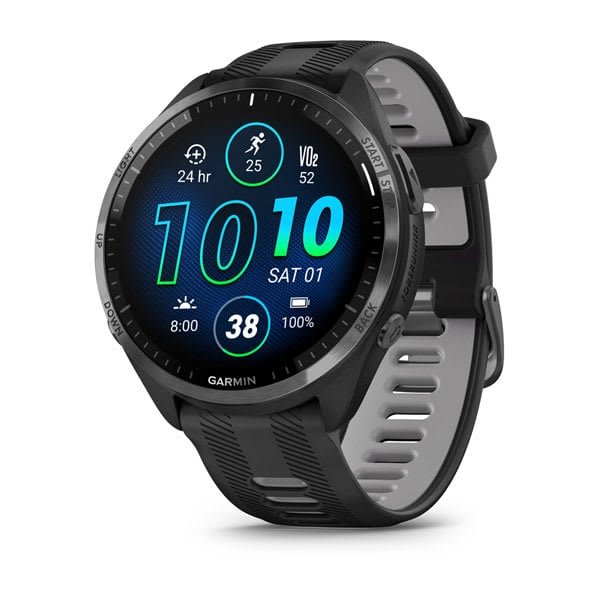
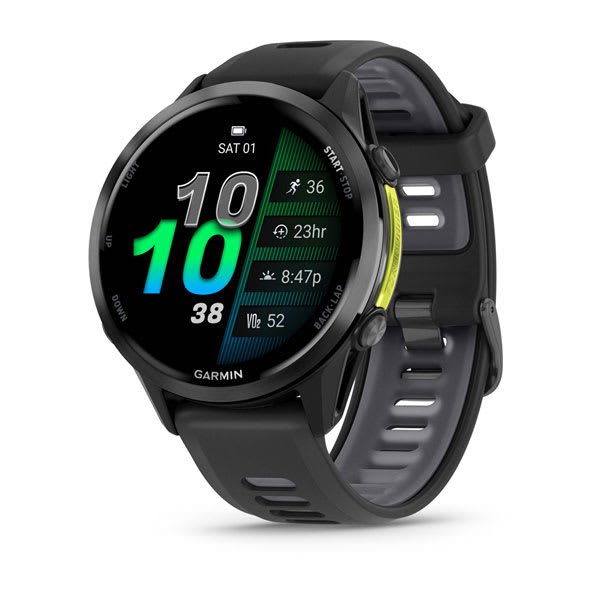
Garmin’s Forerunner line is its clearest product ladder. Each step up adds real capability, not just nicer materials. In fact, a common mistake is buying a fēnix because it looks “higher-end” when a Forerunner is lighter, more running-focused, and often the better fit.
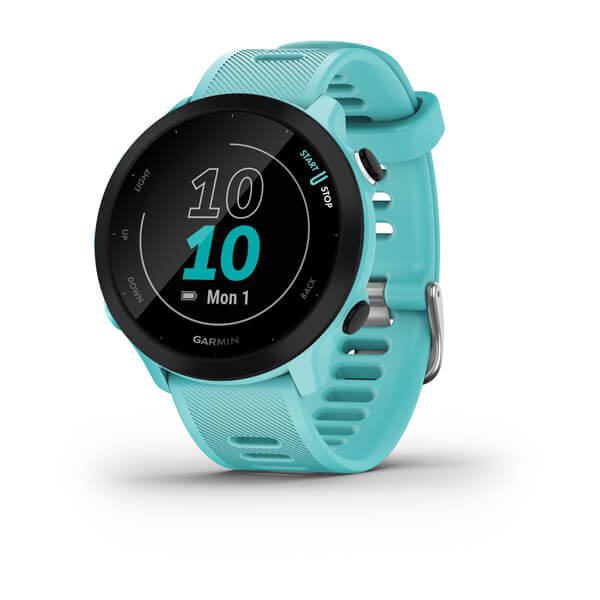
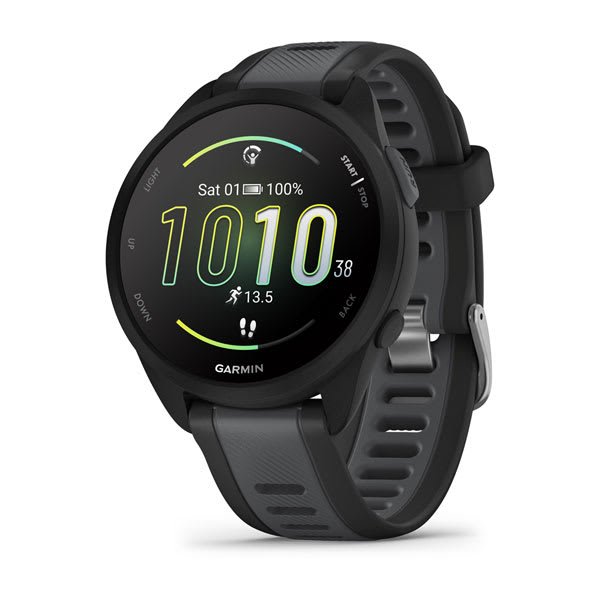
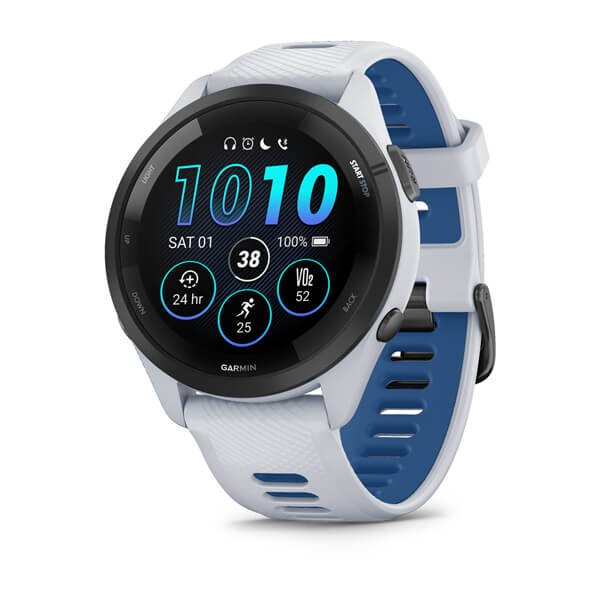
| Watch | Price | Display | Battery (GPS) | Multi-band GPS | Best for |
|---|---|---|---|---|---|
| Forerunner 55 | $199 | 1.04″ MIP | 20 hours | No | Budget entry point |
| Forerunner 165 | $249 | 1.2″ AMOLED | 19 hours | No | New serious runners |
| Forerunner 265 | $449 | 1.3″ AMOLED | 24 hours | Yes | The sweet spot |
| Forerunner 570 | $549 | AMOLED | 18 hours | Yes | 265 replacement with calls |
| Forerunner 965 | $599 | 1.4″ AMOLED | 31 hours | Yes | Maps + best battery |
| Forerunner 970 | $749 | AMOLED | 26 hours | Yes | Flagship runner/triathlete |
Which Forerunner should you pick?
For new runners, start with the Forerunner 165. If you’re becoming serious about running for the first time, this is where to begin. At $249, it gives you an AMOLED screen, training metrics, and adaptive plans — a huge jump from the aging Forerunner 55.
The best value in the lineup is the Forerunner 265. It hits the sweet spot between features and price. Multi-band GPS, music storage, and advanced training features at $449. Additionally, it’s frequently on sale for $299–$350, which makes it one of the best deals in Garmin’s entire lineup.
Serious runners and triathletes should look at the Forerunner 970. If running is central to your life, this is the one to get. Released in May 2025, it’s Garmin’s true flagship runner — titanium construction, ECG sensor, flashlight, speaker/mic, built-in maps, and the newest coaching metrics designed to work with the HRM 600 chest strap.
The Forerunner 965 still deserves mention. In particular, it has the best battery life in the entire Forerunner lineup (31 hours GPS) and often sells at a discount now that the 970 is out. Therefore, if maps and battery matter more than having the newest sensor suite, the 965 is a smart buy.
Outdoor and adventure watches
If your life involves hiking, mountain days, backpacking, expedition travel, or ultra-endurance events, this is the part of Garmin’s lineup that earns its price. Most people don’t need a fēnix. Similarly, many don’t even need an Instinct. However, if you spend serious time outdoors, these watches pay for themselves in durability, navigation, and battery life alone.
| Watch | Price | Battery (smartwatch) | Key feature | Best for |
|---|---|---|---|---|
| Instinct 3 Solar | $399 | Unlimited (solar) | MIL-STD-810, flashlight | Rugged value |
| Instinct 3 AMOLED | $449 | 18 days | AMOLED + rugged build | Tough daily wear |
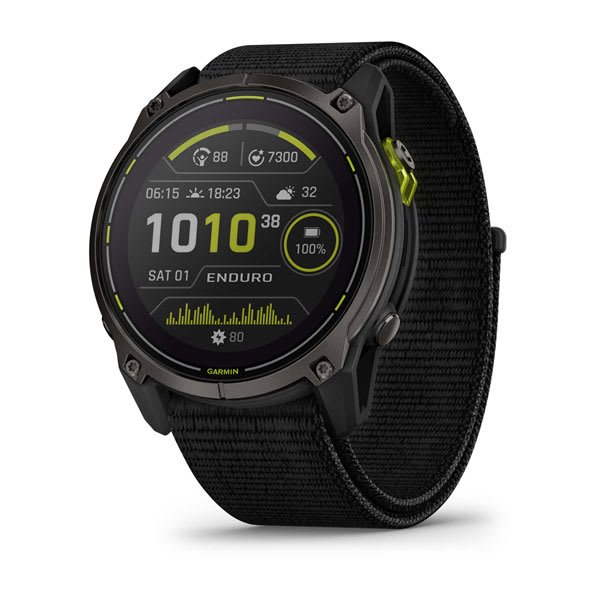
| Enduro 3 | $899 | 90 days | 320 hrs GPS with solar | Ultra-endurance |
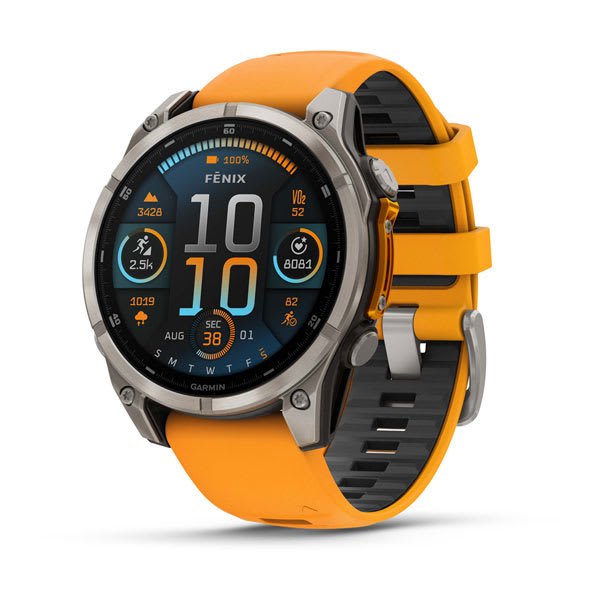
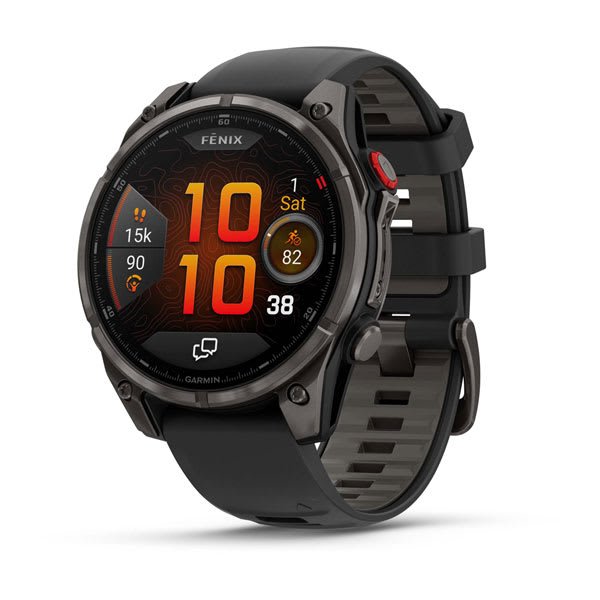
| fēnix 8 (47mm) | $999 | 16 days | Dive-rated, speaker/mic, ECG | Premium outdoor all-rounder |
| fēnix 8 (51mm Sapphire) | $1,199 | 29 days | Larger display, sapphire | Extended expeditions |
| fēnix 8 Pro | $1,199+ | 27 days | Satellite + LTE connectivity | Off-grid communication |
| tactix 8 | $1,299+ | 16–48 days | Tactical features, stealth mode | Military/tactical users |
Which outdoor watch should you pick?
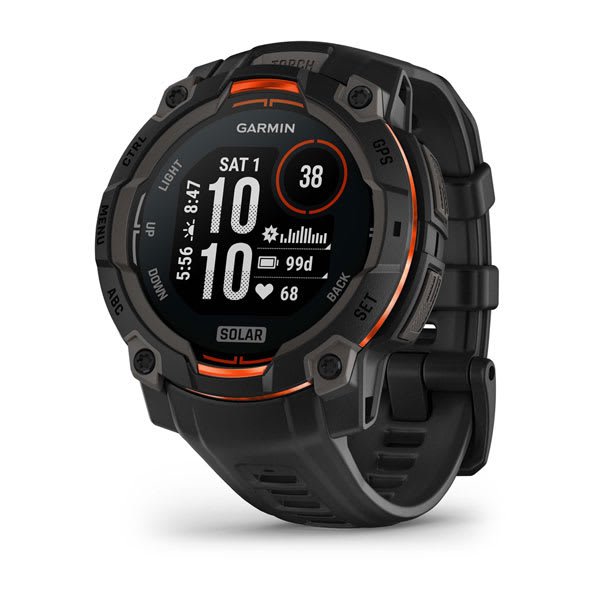
The pick for most outdoor enthusiasts: Instinct 3. Starting at $399, you get multi-band GPS, a flashlight, MIL-STD-810 toughness, and functionally unlimited battery life on the Solar model. In other words, it does 90% of what a fēnix does at less than half the price.
For ultra-endurance athletes, the Enduro 3 at $899 is laser-focused on battery life. Up to 320 hours of GPS with solar charging means you can run a multi-day ultra or a week-long trek without charging. On top of that, it features a titanium bezel, sapphire lens, and ECG — it’s built for people who measure adventures in days, not hours.
Meanwhile, the fēnix 8 remains Garmin’s broadest premium outdoor watch. It’s dive-rated to 40 meters, has a flashlight, speaker/mic for calls, and ECG support. The 51mm Sapphire AMOLED model stretches battery to 29 days. If you want one watch that genuinely does everything, this is it.
Going further, the fēnix 8 Pro adds satellite and LTE connectivity — phone-free messaging, voice calls, and SOS from anywhere on earth. Although it requires a subscription (from $7.99/month), for backcountry travelers who want safety built into their wrist, it essentially removes the need for a separate satellite communicator.
Finally, the tactix 8 and MARQ Gen 2 ($2,100+) exist for niche audiences. The tactix adds ballistic calculators and stealth mode. The MARQ wraps Garmin’s tech in luxury titanium and sapphire. In short, unless you specifically need their extras, the fēnix 8 covers the same ground for less.
Specialty watches: diving, marine, aviation, and kids
Garmin also makes domain-specific wearables that only make sense when those domain features are the reason you’re buying.
| Watch | Price | Category | Key feature |
|---|---|---|---|
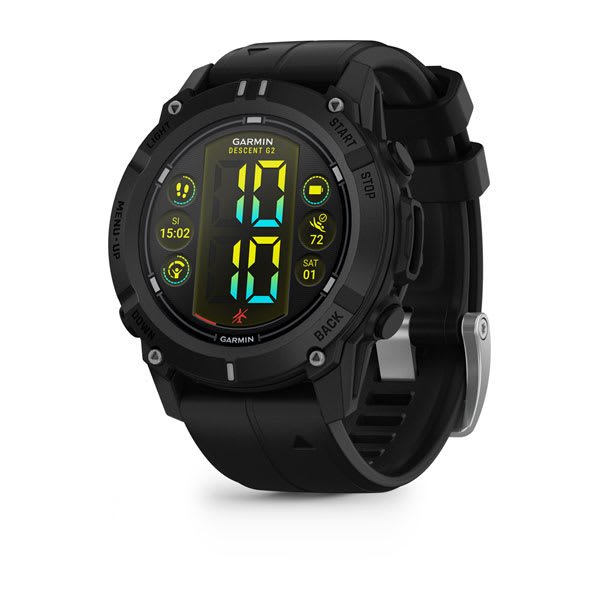
| Descent G2 | $699 | Diving | AMOLED dive computer, multiple dive modes |
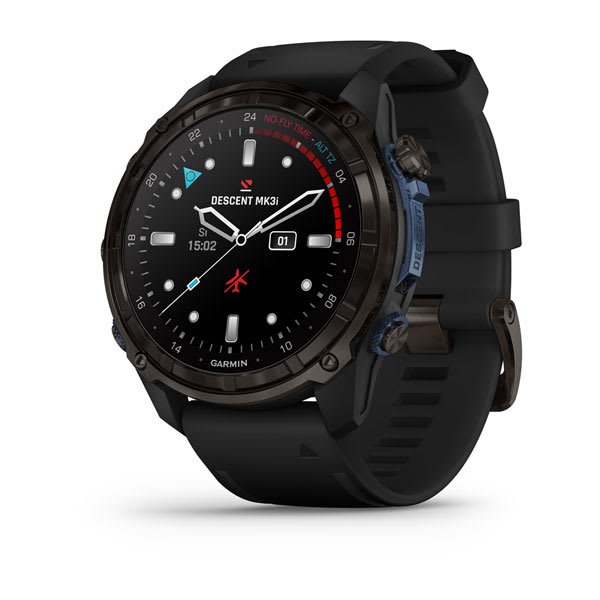
| Descent Mk3i | $1,399+ | Diving | Air integration, SubWave sonar, 200m rated |
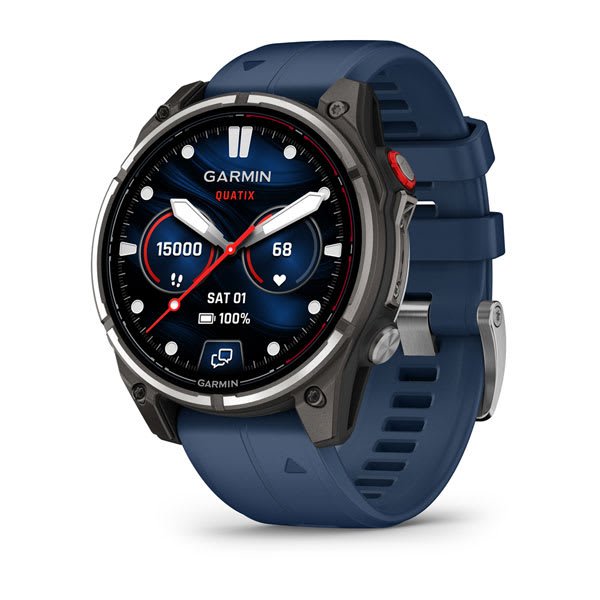
| quatix 8 Pro | $1,299 | Marine | Satellite + LTE, chartplotter control |
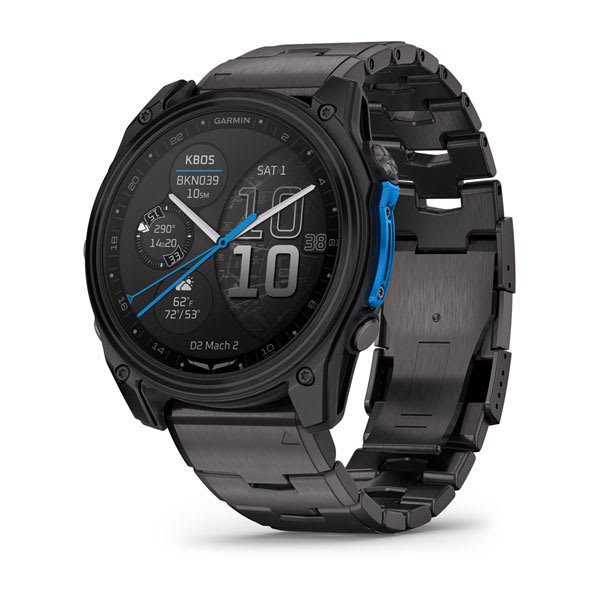
| D2 Mach 2 | $1,349+ | Aviation | Aviation maps, weather minimums, SpO2 |
| Bounce 2 | $299 | Kids | LTE calling/texting, GPS tracking, games |
For divers, the Descent G2 at $699 is the entry point for Garmin dive computers — AMOLED display, multiple dive modes, and it doubles as a capable fitness watch on land. The Descent Mk3i steps up with air integration via T2 transceivers for serious divers.
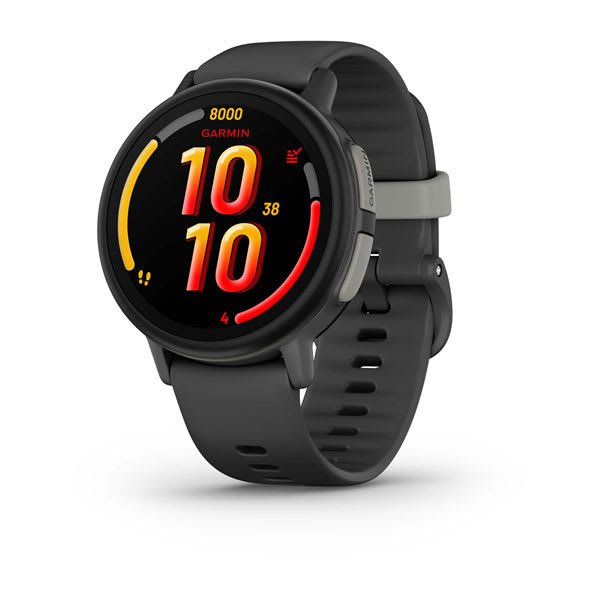
For families, the Bounce 2 is Garmin’s kids watch — LTE calling and texting, real-time location tracking, swim-proof build, and built-in sports apps. However, it requires a subscription ($10/month or $100/year).
Cycling: think in ecosystems, not just head units
Garmin’s cycling lineup is one of its strongest ecosystems because the products stack together. A head unit pairs with a radar tail light, which pairs with sensors, which pair with power meter pedals. As a result, each addition makes the whole setup more useful.
Head units
| Device | Price | Display | Battery | Best for |
|---|---|---|---|---|
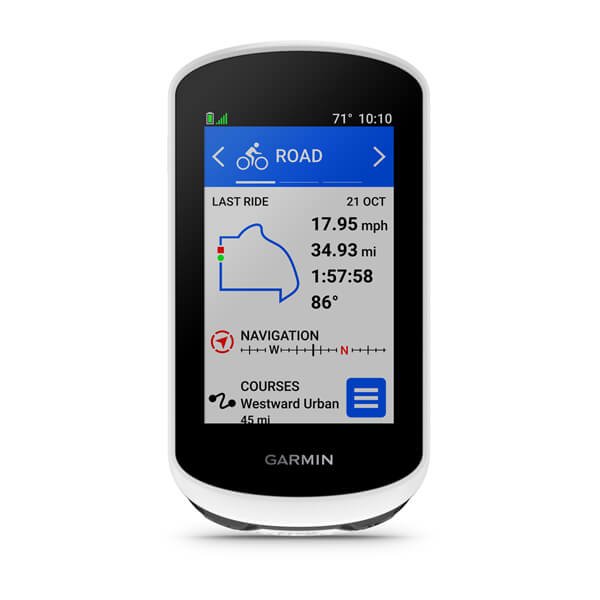
| Edge Explore 2 | $299 | 3″ color touch | Up to 24 hrs | Touring and navigation |
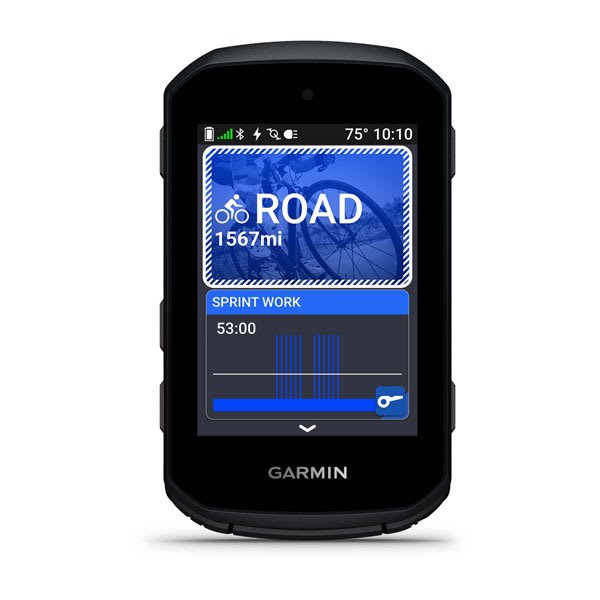
| Edge 550 | $499 | 2.7″ color | Up to 36 hrs | Training-focused (button controls) |
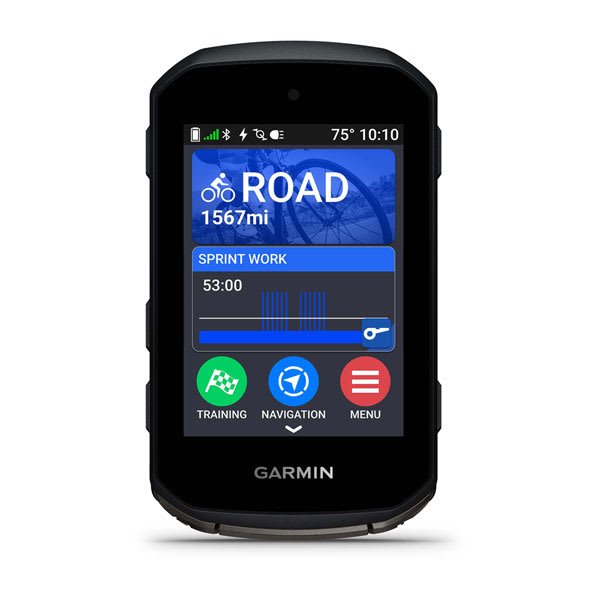
| Edge 850 | $599 | 2.7″ color touch | Up to 36 hrs | Training + touchscreen + speaker |
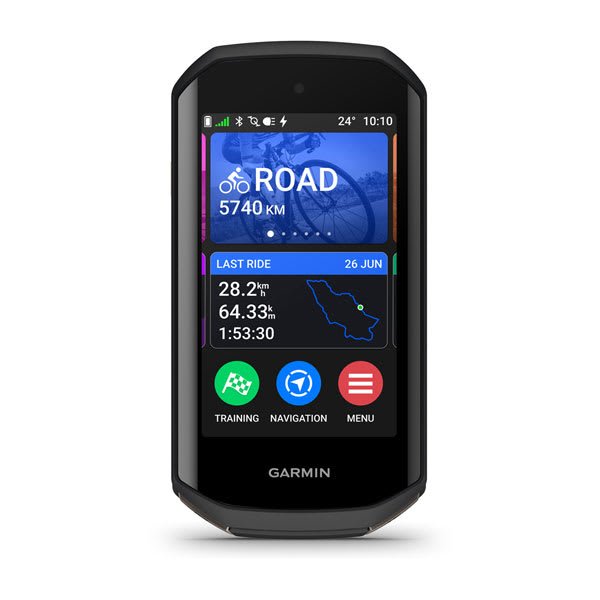
| Edge 1050 | $699 | 3.5″ color touch | Up to 60 hrs | Premium flagship |
The Edge 850 ($599) hits the sweet spot for committed cyclists. Specifically, it launched in September 2025 with a vivid touchscreen, built-in speaker for voice prompts, 5 Hz GPS, Trailforks maps, and 64 GB of storage. The Edge 1050 ($699) justifies the step up if you want the largest display and up to 60 hours of battery in saver mode.
On the other hand, the Edge Explore 2 at $299 is the smart choice for recreational riders and touring cyclists who primarily want navigation and ride tracking without the training-data depth.
Safety: Varia radar tail lights
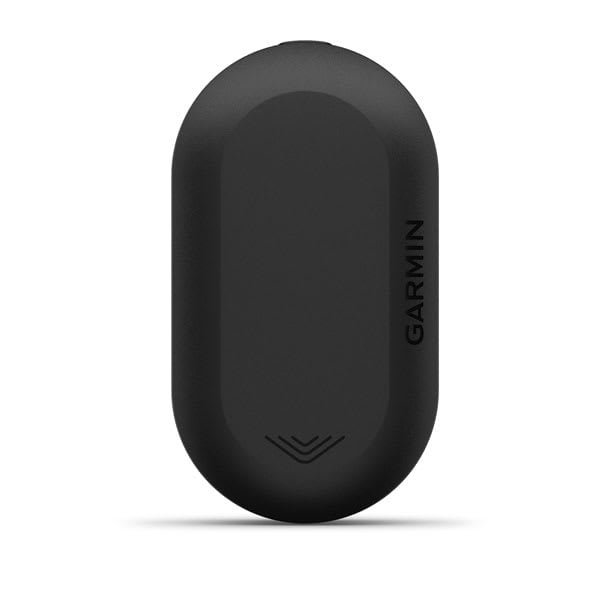
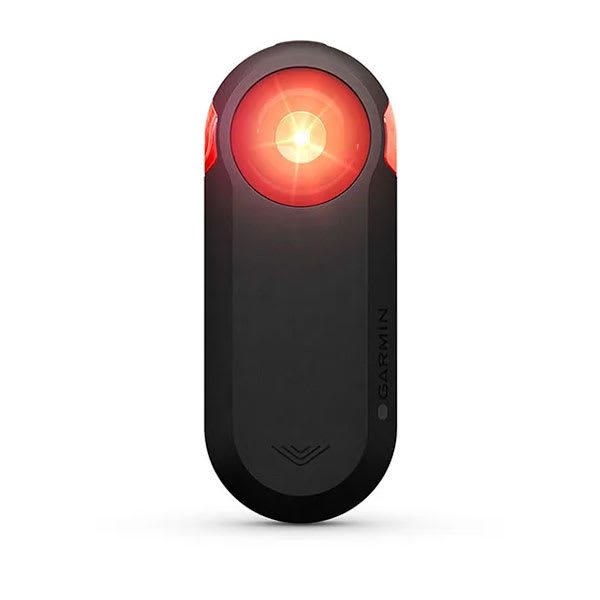
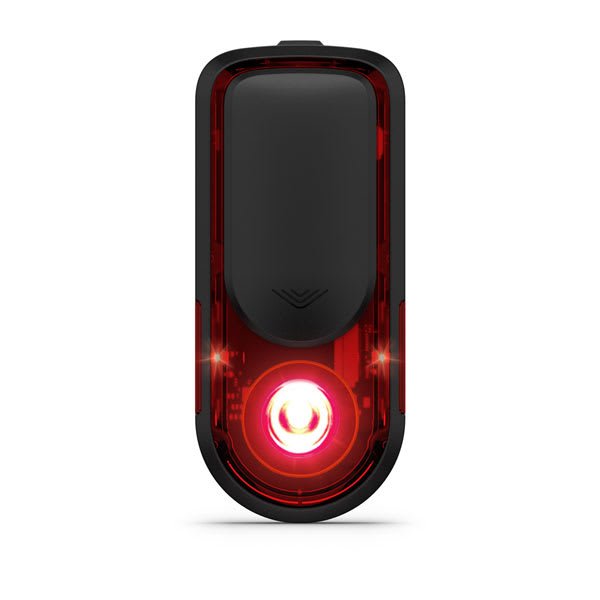
If you ride on roads near traffic, a Varia radar is arguably the first Garmin cycling product to buy after a head unit — or even before a power meter — because it changes situational awareness, not just data collection.
| Device | Price | Battery | Key feature |
|---|---|---|---|
| Varia RVR315 | $149 | 8 hours | Radar only (no light) |
| Varia RTL515 | $199 | 6–16 hours | Radar + tail light (classic) |
| Varia RearVue 820 | $299 | Up to 30 hours | Vehicle size detection, brake light |
Among these options, the Varia RearVue 820 is the newest and most advanced — it can tell a truck from a motorcycle, alerts you to threat levels, and has a brake-light function. Battery life stretches up to 30 hours. The RTL515 remains a solid, proven choice at $199 if the newer features aren’t worth the premium.
Power, training, and sensors
| Device | Price | Type |
|---|---|---|
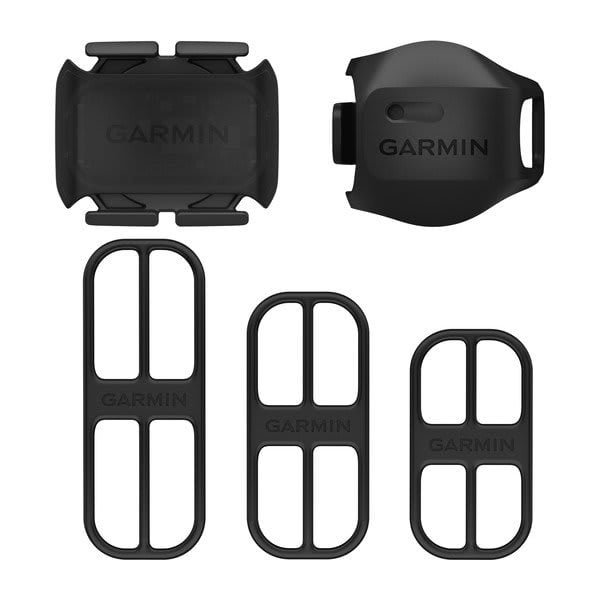
| Speed + Cadence Sensor 2 bundle | $69 | Hub and crank sensors |
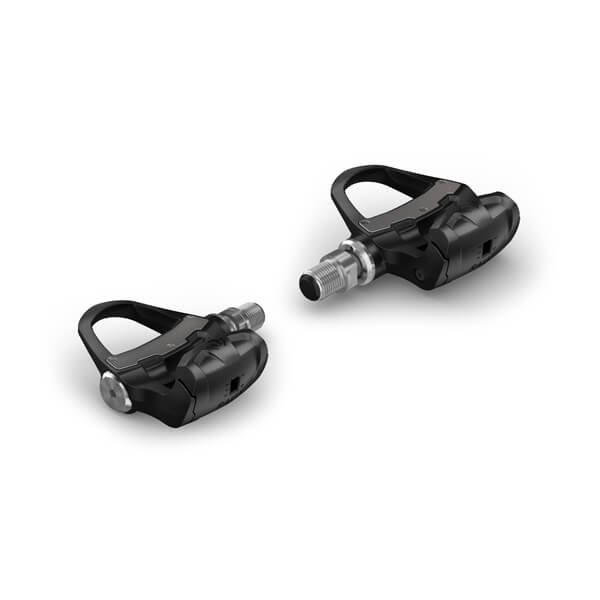
| Rally RS200 (SPD-SL) | $1,099 | Dual-sensing power meter pedals (road) |
| Rally XC200 (SPD) | $1,099 | Dual-sensing power meter pedals (MTB/gravel) |
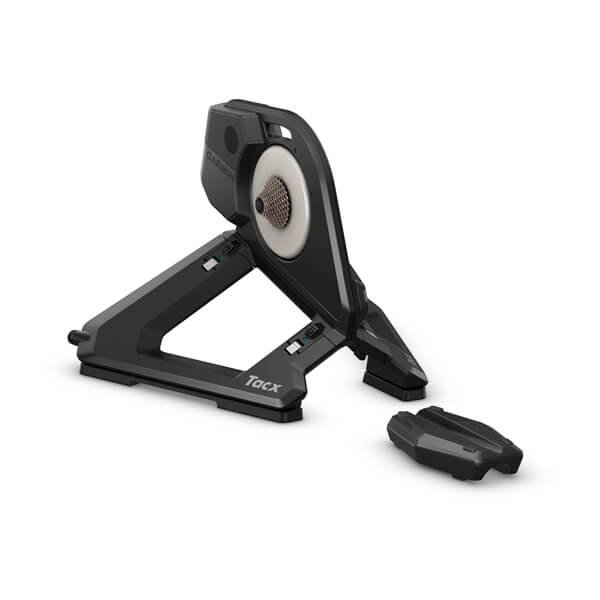
| Tacx NEO 3M | $1,999 | Direct-drive smart trainer (multidirectional) |
The Speed and Cadence Sensor 2 bundle at $69 is the cheapest way to add useful data to any Garmin cycling setup. The Tacx NEO 3M at $1,999 is Garmin’s top-end indoor trainer with multidirectional movement and up to 2,200 watts of resistance — serious kit for serious indoor training.
Golf devices
Garmin’s golf lineup has grown broad enough that buyers should match the product to how they actually play. Buying “more Garmin” only makes sense if your usage genuinely expands with it.
Golf watches and handhelds
| Device | Price | Display | Courses | Best for |
|---|---|---|---|---|
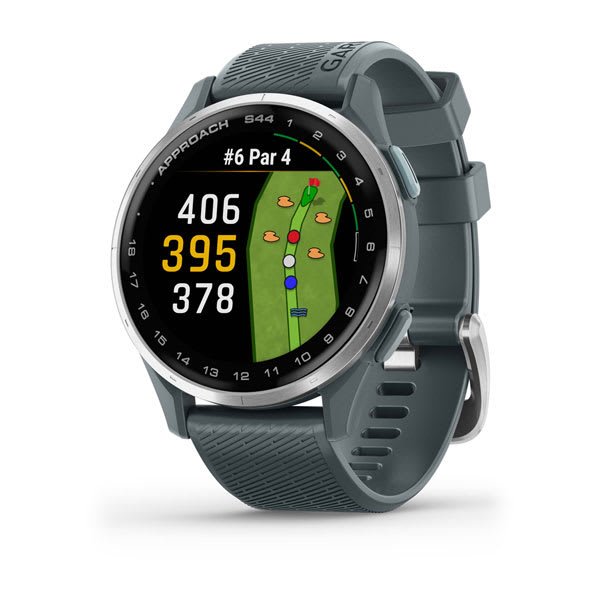
| Approach S44 | $299 | 1.2″ AMOLED | 43,000+ | Core course distances |
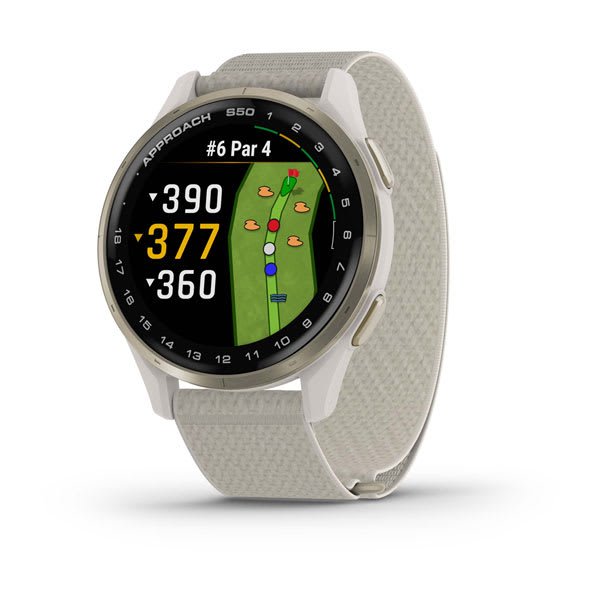
| Approach S50 | $399 | 1.2″ AMOLED | 43,000+ | Golf + health tracking |
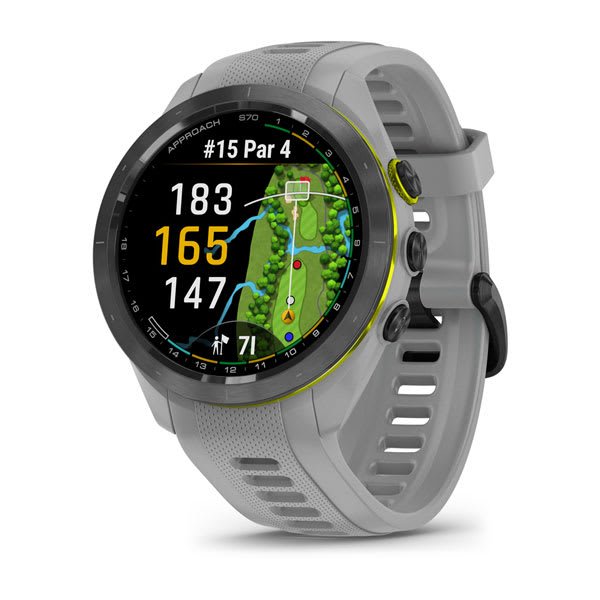
| Approach S70 | $649–$699 | 1.4″ AMOLED | 43,000+ | Serious golfers (Virtual Caddie) |
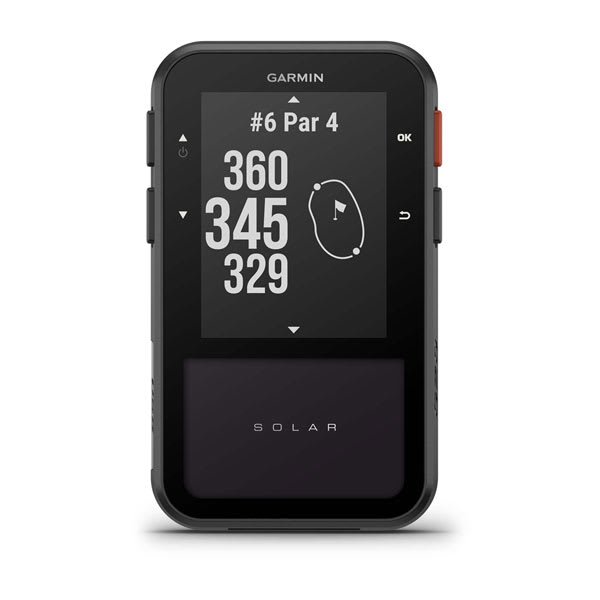
| Approach G20 Solar | $299 | 2.2″ high-contrast | 43,000+ | Handheld with unlimited solar battery |
Rangefinders, launch monitors, and simulators
| Device | Price | Type | Best for |
|---|---|---|---|
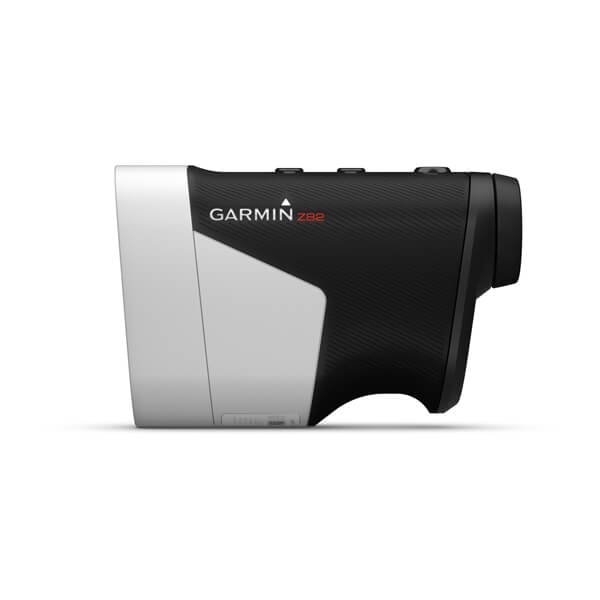
| Approach Z82 | $599 | Laser rangefinder | CourseView mapping in viewfinder |
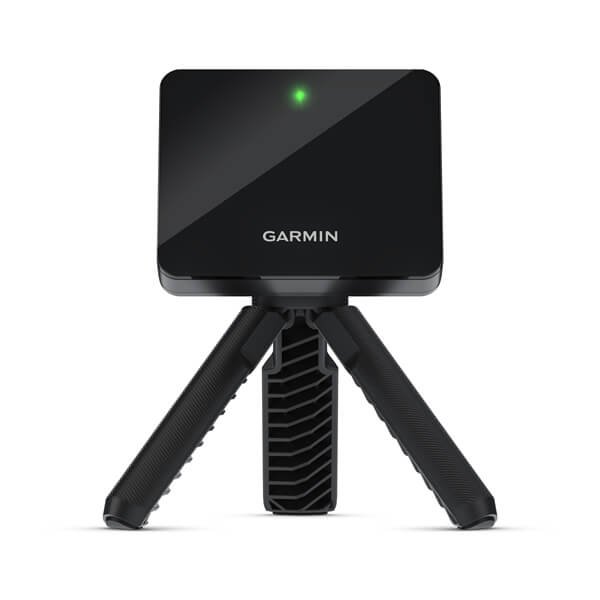
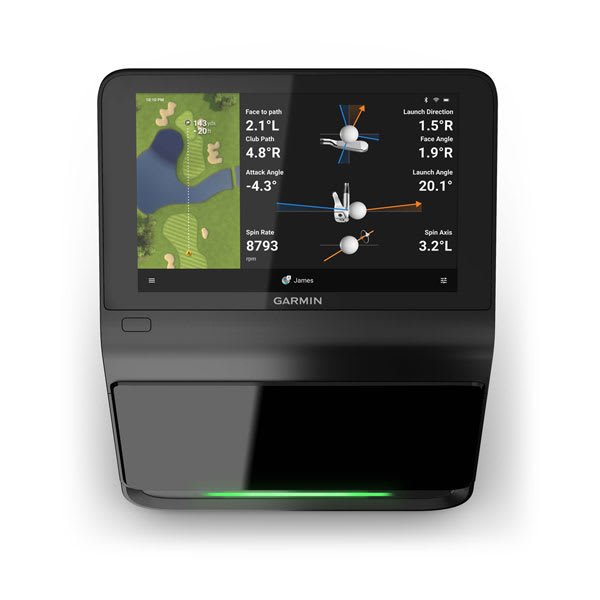
| Approach R10 | $599 | Portable launch monitor | Affordable swing data + virtual golf |
| Approach R50 | $4,999 | Premium launch monitor/simulator | Dedicated practice setup |
For most golfers: Start with the Approach S44 at $299. It does the essential job — front, middle, and back distances on 43,000+ courses. Step up to the S70 if golf is serious enough to justify Virtual Caddie and a premium display.
The Approach R10 at $599 (frequently on sale around $399) is the portable launch monitor that opens up indoor practice and virtual golf on 43,000+ courses. The R50 at $4,999 is only for people building a dedicated simulator room — three cameras, 10-inch touchscreen, and pro-level metrics.
Handheld GPS and satellite communicators
This is a category where paying more can directly buy you better emergency options — not just nicer hardware. The best buying advice here is to separate navigation from communication. For example, if you mainly need route-finding, a handheld GPS may be enough. On the other hand, if you need emergency contact beyond cell coverage, inReach is the priority. And if you need both, get a device that combines them.
| Device | Price | Battery | Satellite messaging | Best for |
|---|---|---|---|---|
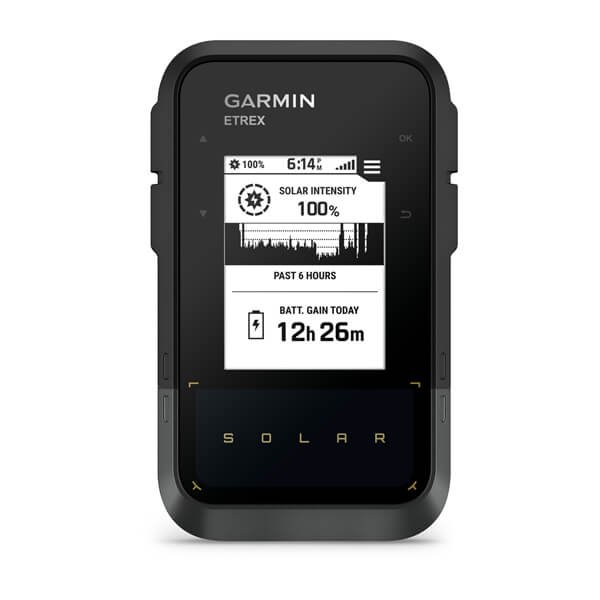
| eTrex Solar | $249 | Unlimited (solar) | No | Simple navigation |
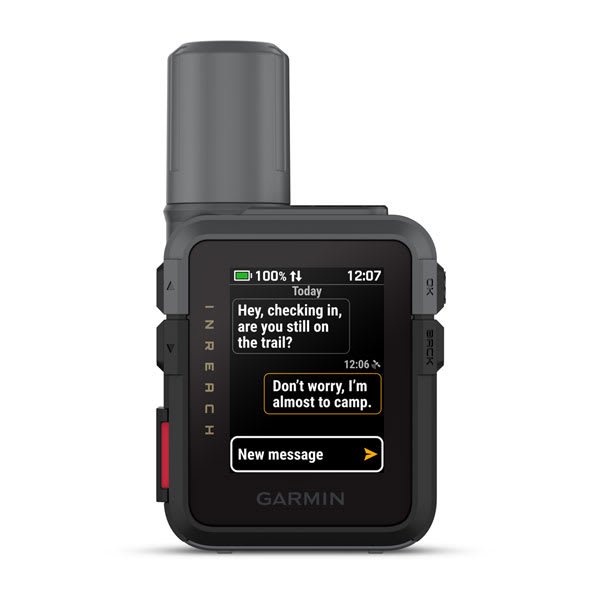
| inReach Mini 3 | $449–$499 | 350 hours | Yes (text + SOS) | Compact emergency device |
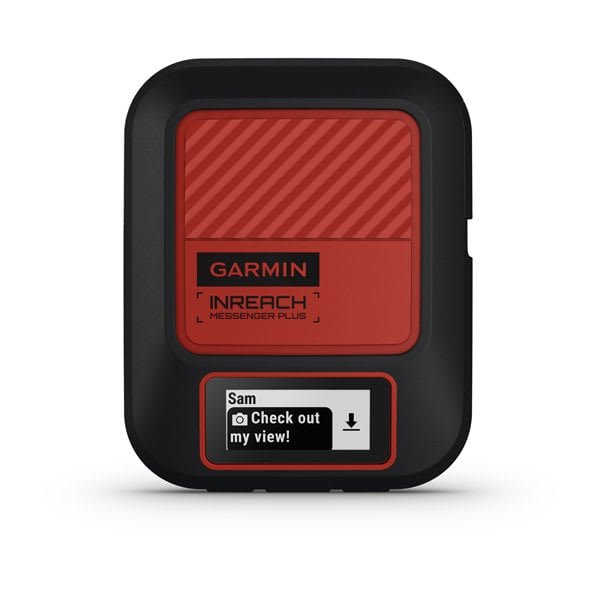
| inReach Messenger Plus | $499 | 600 hours | Yes (text, voice, photos) | Staying connected off-grid |
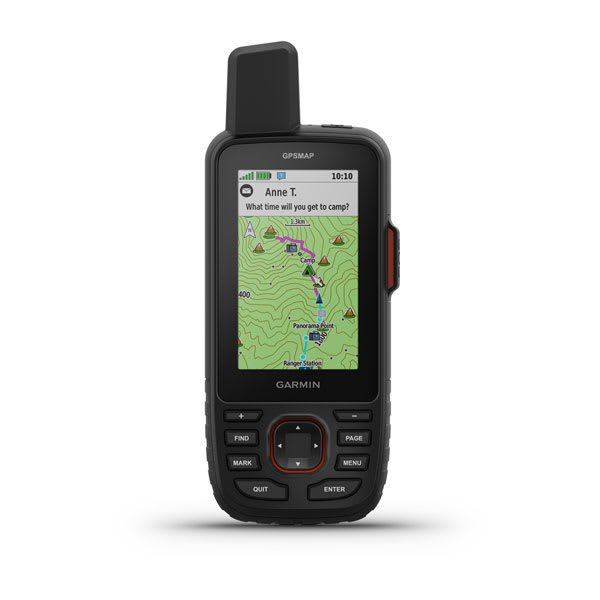
| GPSMAP 67i | $599 | 165 hours | Yes (text + SOS) | Navigation + safety combined |
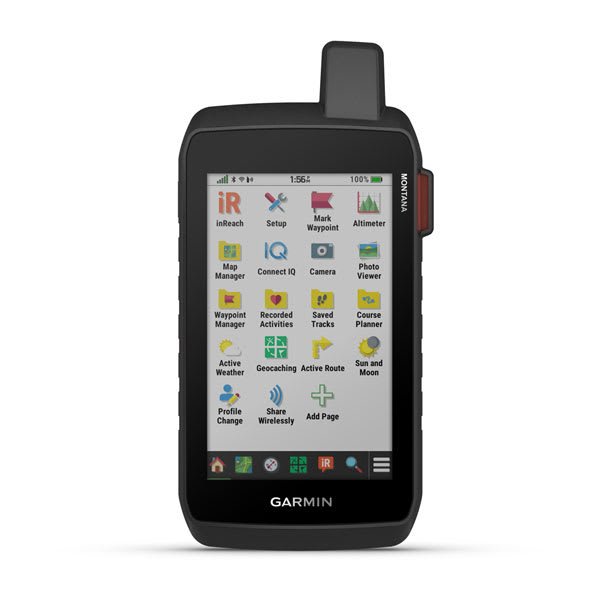
| Montana 760i | $899 | 24 hours GPS | Yes (text + SOS + camera) | Large-screen handheld + comms |
The pick for hikers who want safety: The GPSMAP 67i at $599 combines proper handheld navigation with inReach two-way messaging and SOS. Consequently, it’s the single device that covers both jobs well.
If you already have a GPS watch and just need a compact emergency communicator, the inReach Mini 3 clips to your pack and provides SOS and two-way texting. The inReach Messenger Plus adds voice messages and photo sharing for people who want to stay more connected while off-grid.
Keep in mind that all satellite communicators require a Garmin inReach subscription (from $14.99/month).
Vehicle, motorsport, and health accessories
Garmin still matters outside wearables. In fact, sometimes the smartest Garmin upgrade isn’t a new watch at all — it’s an accessory that deepens your existing ecosystem.
Vehicle and motorsport
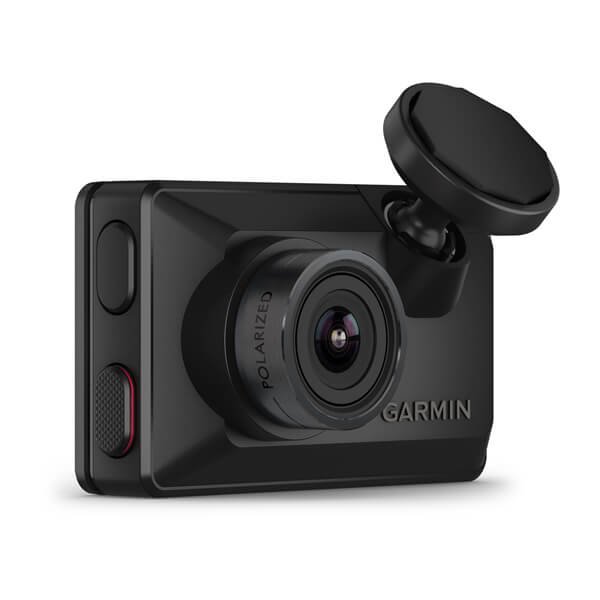
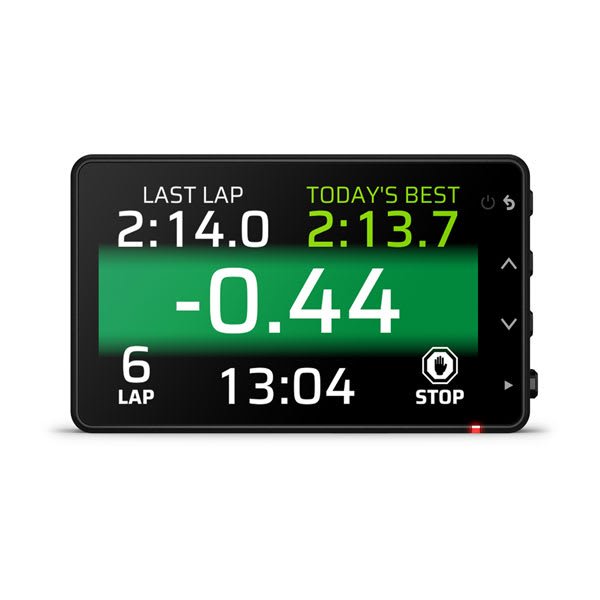
| Device | Price | Type |
|---|---|---|
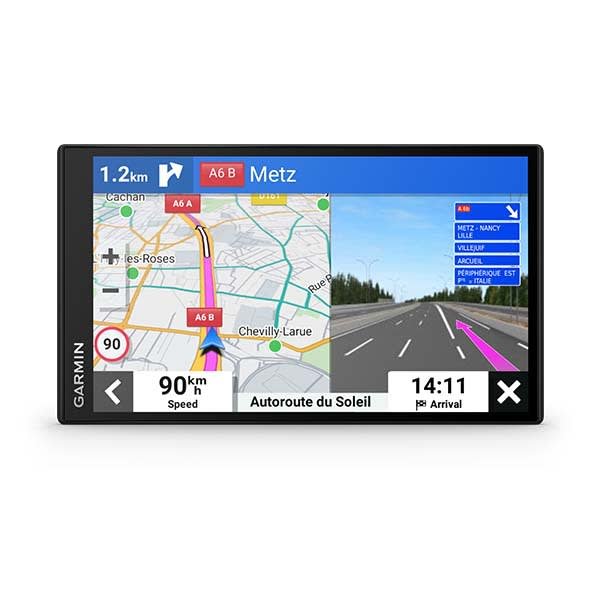
| DriveSmart 76 | $249 | 7″ car GPS with voice assist |
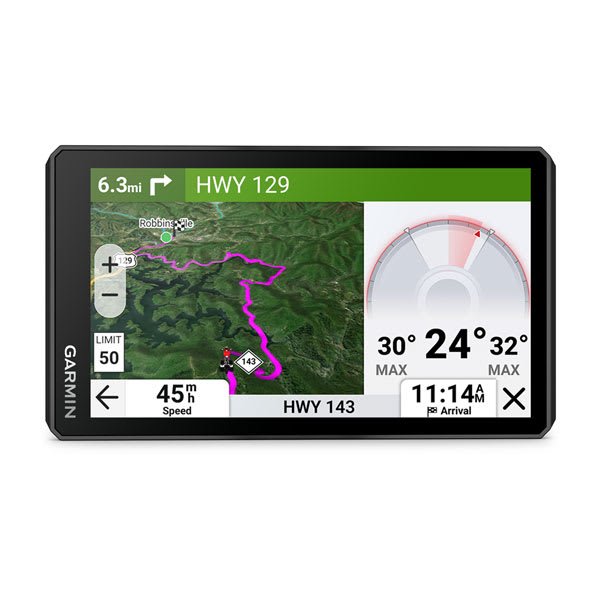
| zūmo XT3 | $499–$599 | Motorcycle GPS with lean-angle data |
| Dash Cam X310 | $399 | 4K dash cam, 140° FOV |
| Catalyst 2 | $1,199 | Track-day coaching system |
Health accessories
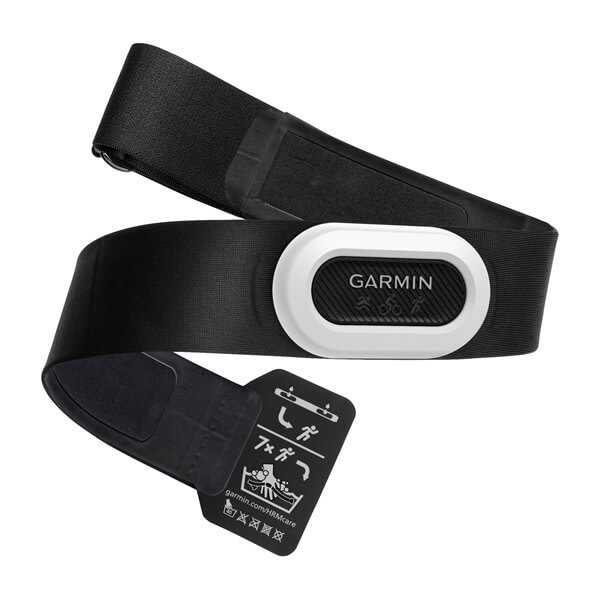
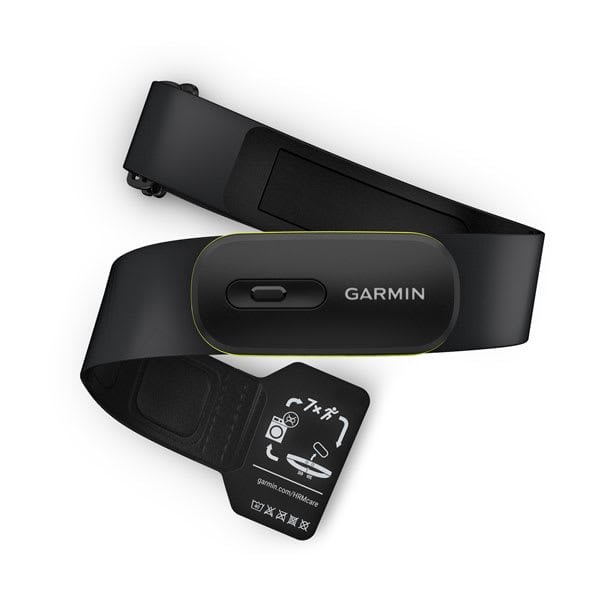
| Device | Price | Type |
|---|---|---|
| HRM-Pro Plus | $129 | Premium chest strap (HR, HRV, running dynamics) |
| HRM 600 | $169 | Newest chest strap (stand-alone recording) |
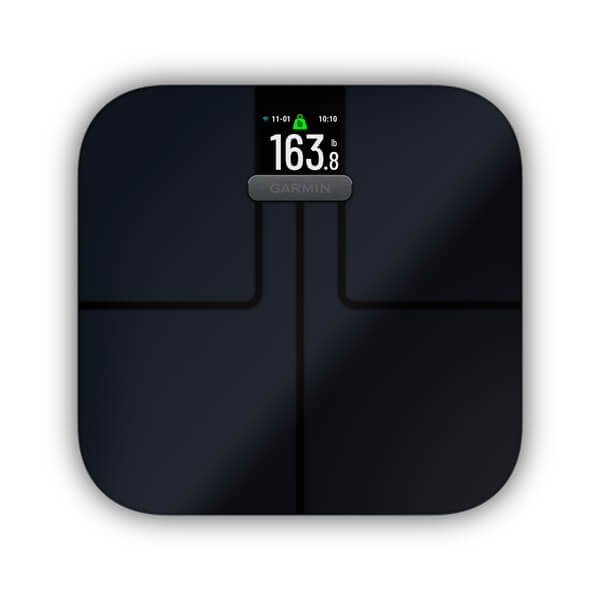
| Index S2 | $149 | Wi-Fi smart scale (16 users) |
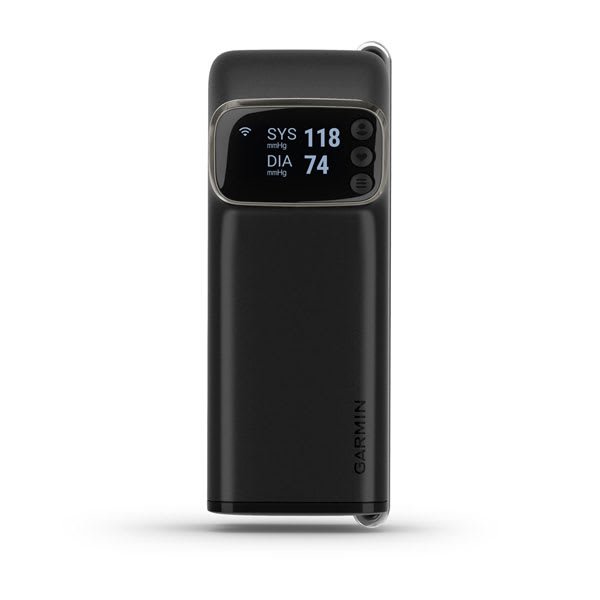
| Index BPM | $149 | FDA-cleared blood pressure monitor |
A runner with a good Forerunner may get more from adding an HRM 600 ($169) than from upgrading the watch itself. In addition, the HRM 600 unlocks more accurate running dynamics and can record activities on its own — perfect for swimming where you can’t wear a chest strap normally.
A cyclist may get more from adding a Varia radar than a power meter. Someone focused on weight management may find the Index S2 smart scale ($149) adds more daily value than jumping one watch tier higher. Above all, Garmin is unusual in that its accessories often deepen the ecosystem more effectively than another hardware jump.
Quick picks by buyer type
If you want the cleanest possible shortlist from Garmin’s entire 2026 consumer lineup:
| You are… | Buy this | Price |
|---|---|---|
| General fitness/health buyer | Venu 4 | $549 |
| Budget fitness tracker | vívoactive 6 | $299 |
| Small/stylish watch | Lily 2 Active | $299 |
| New runner | Forerunner 165 | $249 |
| Dedicated runner (best value) | Forerunner 265 | $449 |
| Serious runner/triathlete | Forerunner 970 | $749 |
| Outdoor/hiking (value) | Instinct 3 | $399 |
| Premium outdoor | fēnix 8 | $999 |
| Ultra-endurance | Enduro 3 | $899 |
| Touring cyclist | Edge Explore 2 | $299 |
| Training cyclist | Edge 850 or 1050 | $599–$699 |
| Road safety | Varia RearVue 820 | $299 |
| Golfer | Approach S70 | $649 |
| Hiker needing safety | GPSMAP 67i | $599 |
| Off-grid emergency only | inReach Mini 3 | $449 |
Prices shown are MSRP in USD. Amazon prices may vary due to sales and promotions. Links in this article are affiliate links — if you purchase through them, we may earn a small commission at no extra cost to you.
Last updated: March 2026