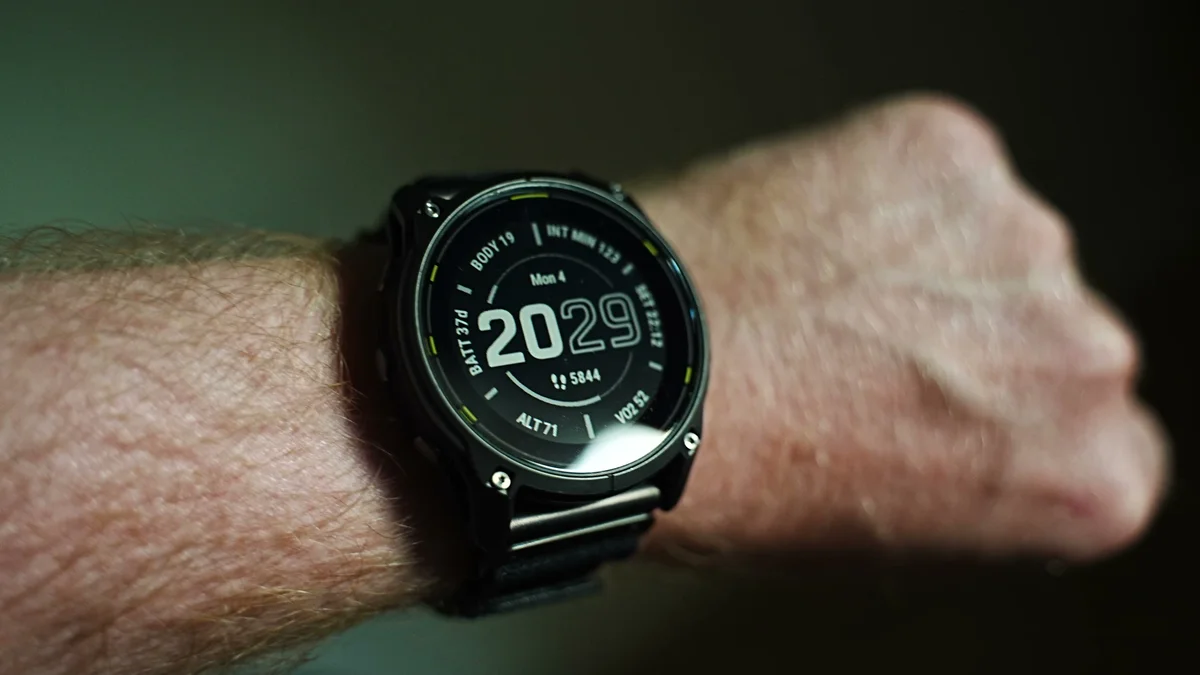
The Fenix 9 and Fenix 9 Pro arrived on 25 August 2026, and if you’re wearing an Enduro 3 you’re probably asking the same thing I am. Do I need this?
For most of us, no. Garmin is giving the Enduro 3 most of what makes the Fenix 9 new, in a free update, and that changes the question before you even look at prices.
Let me walk through why, with the numbers.
The update that changes the whole question
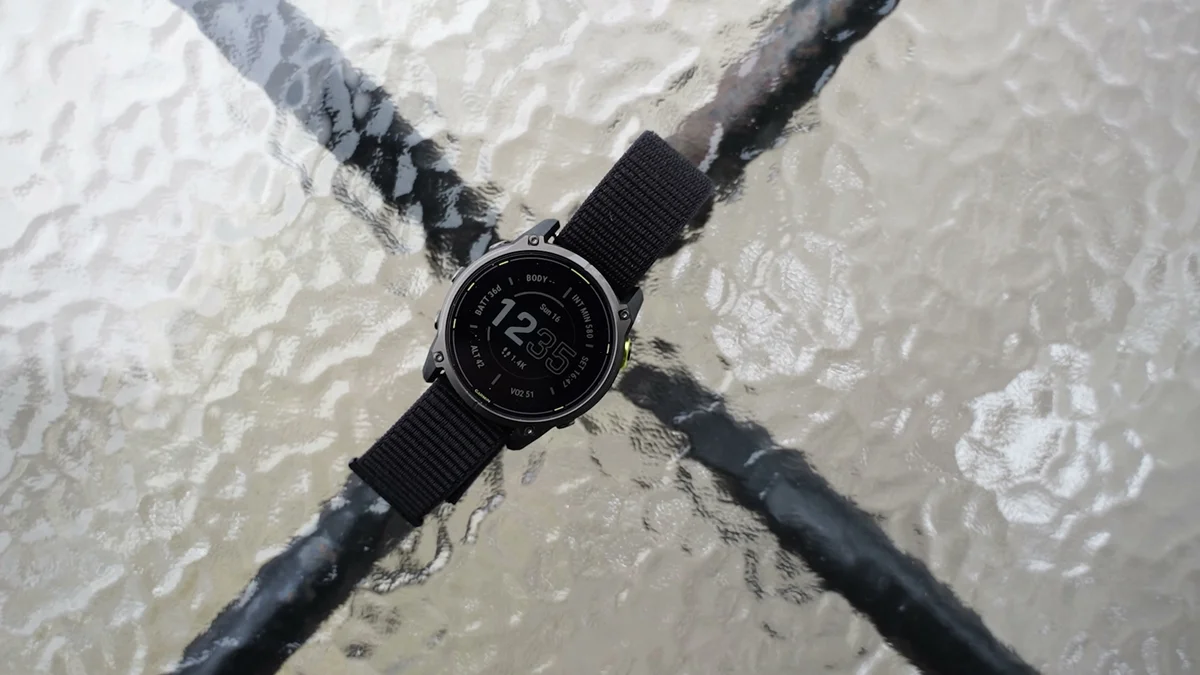
Most of the Fenix 9’s new software is coming to the Enduro 3.
Garmin now runs the Fenix 8 series, Enduro 3, tactix 8, Forerunner 970 and 570, Fenix E and Venu X1 on a shared firmware track, and the new features ship across all of it. On the Enduro 3, that means:
- Garmin Epic
- Stamina zones, stamina endurance time and stamina trending
- Stamina curves for running and cycling
- The full rucking upgrade: pack weight you can adjust during an activity, a target calculator on the watch, rucking reports, multisport support and structured rucking workouts
- The indoor rowing overhaul: heart rate and power zones, power curves, FTP, rowing VO2 Max and lactate threshold
- Ski Erg
- Rolling GAP, as a data field and as a workout target
- Garmin Locate in Messenger
- inReach weather over satellite
That list covers almost everything Garmin talked about on stage. The few things missing from it are what your $999 to $1,099 would actually buy.
What the money actually buys
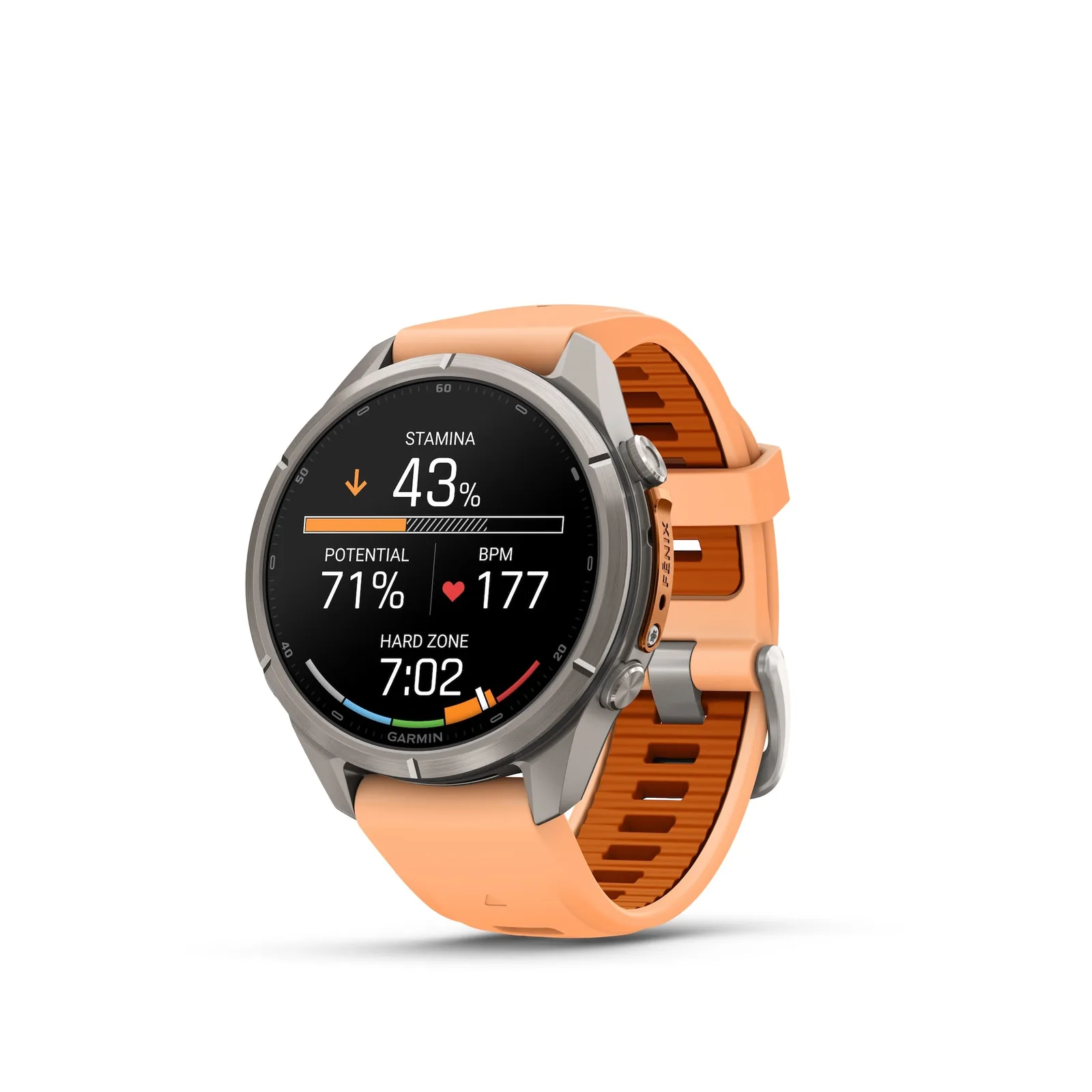
Four things. Three come down to hardware, and one is a software exclusive.
Maps
The Fenix 9 has 50% more RAM than the Fenix 8, a rebuilt map engine, about 30% faster panning, smoother zooming and a new perspective view. This is real, and the Enduro 3 will never get it. If map lag genuinely annoys you (on the Enduro 3 it sometimes does), this is the strongest argument on the page.
Satellite and LTE
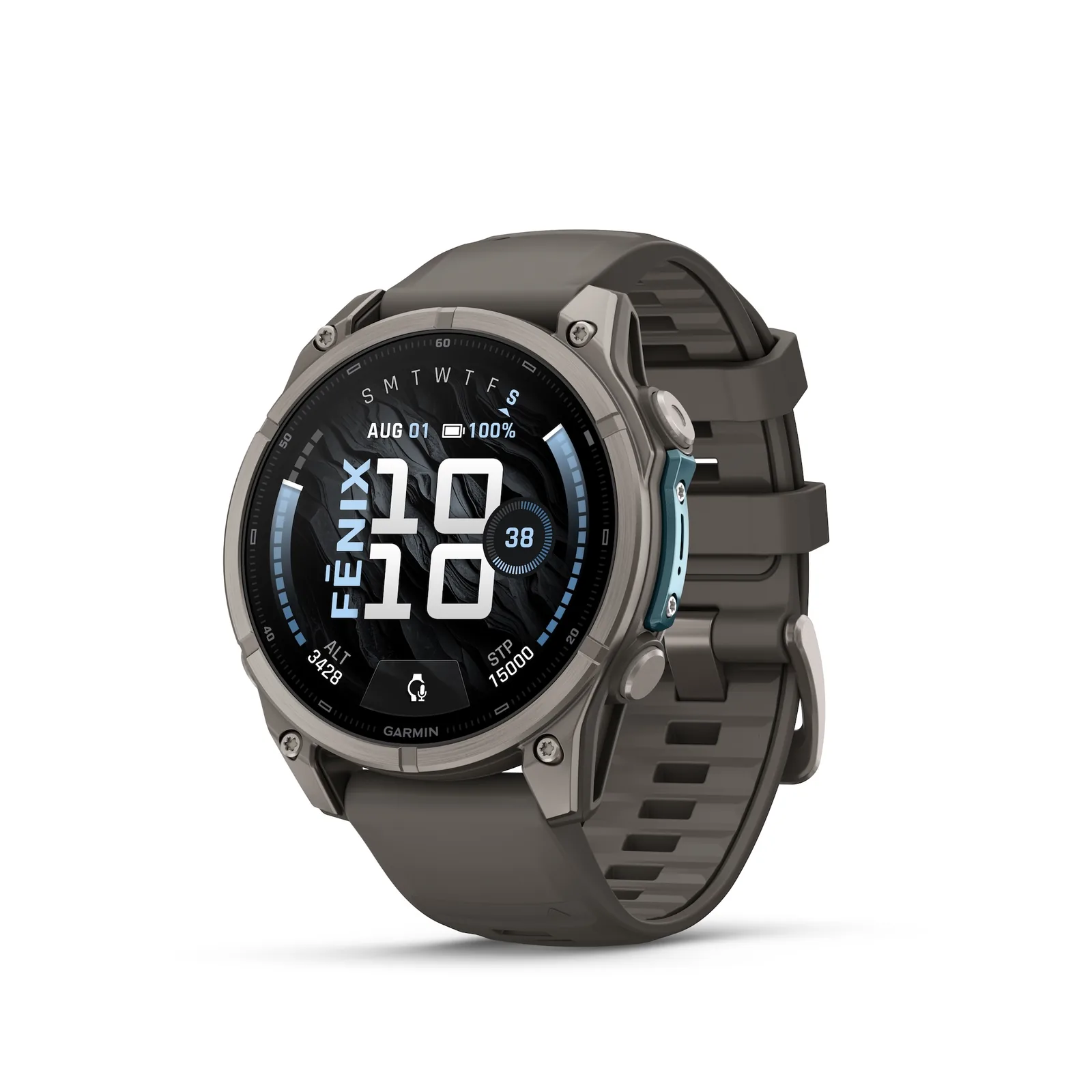
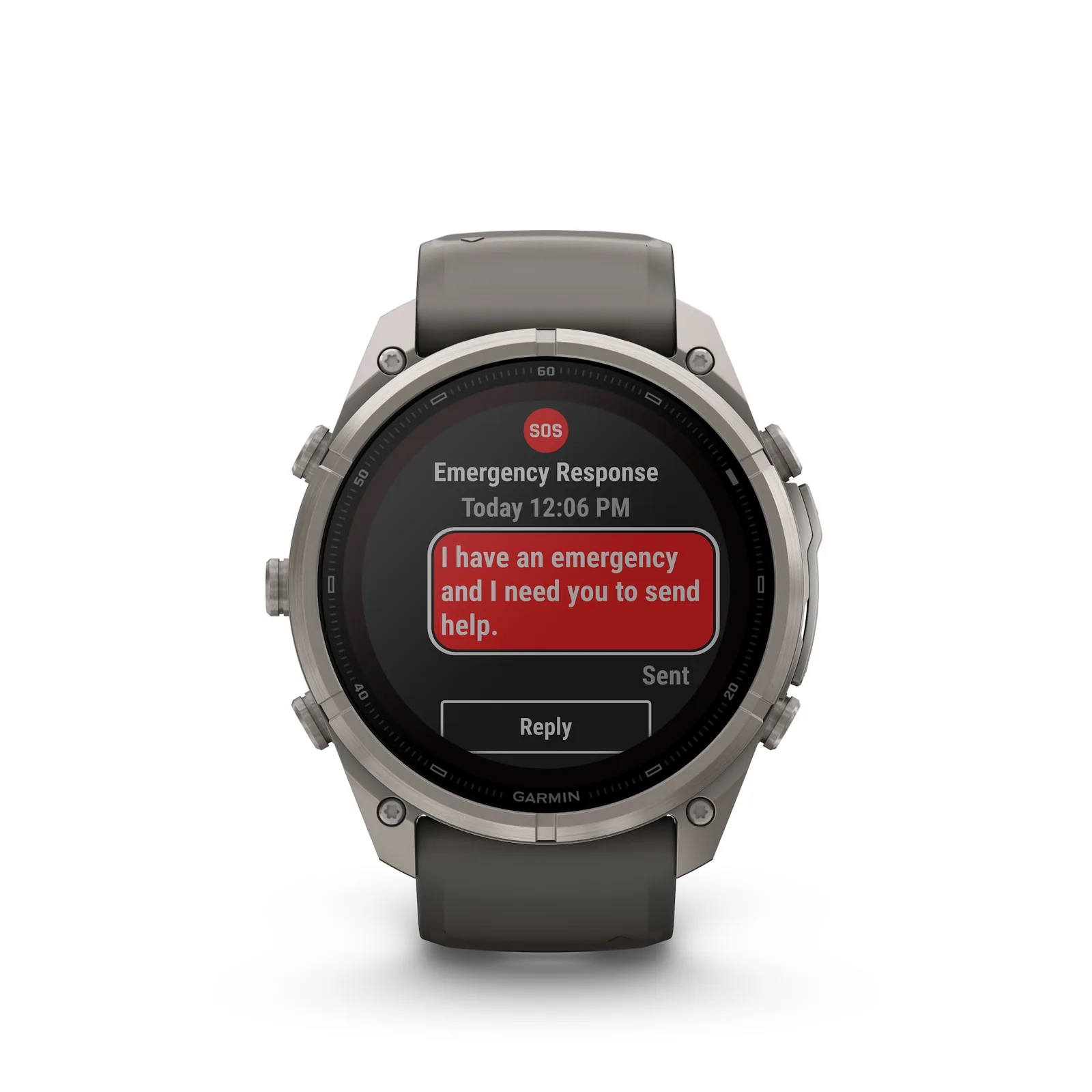
The Fenix 9 Pro has inReach satellite messaging and LTE built in, in every case size, SOS included. No firmware update will ever add that to the Enduro 3. The radios simply aren’t in the watch.
Storage, screen and case
64 GB against the Enduro 3’s 32. AMOLED at up to 3,000 nits on the Pro, and a 1.5 inch panel on the 51 mm without a bigger case. The Pro is also the first Fenix with a titanium case.
ArcheryX
ArcheryX got its own press release, so it deserves a proper explanation. It’s a dedicated activity for archers shooting compound bows, and the analysis happens on your wrist. The watch detects each shot, counts your arrows, times how long you hold from draw to release, and grades how steady your bow arm is in minutes of angle. There’s even an aim trace: an animated replay of how your wrist moved before the arrow left. Heart rate, respiration and stress are logged while you shoot, and the ShotView phone app collects the trends over sessions, weeks and months.
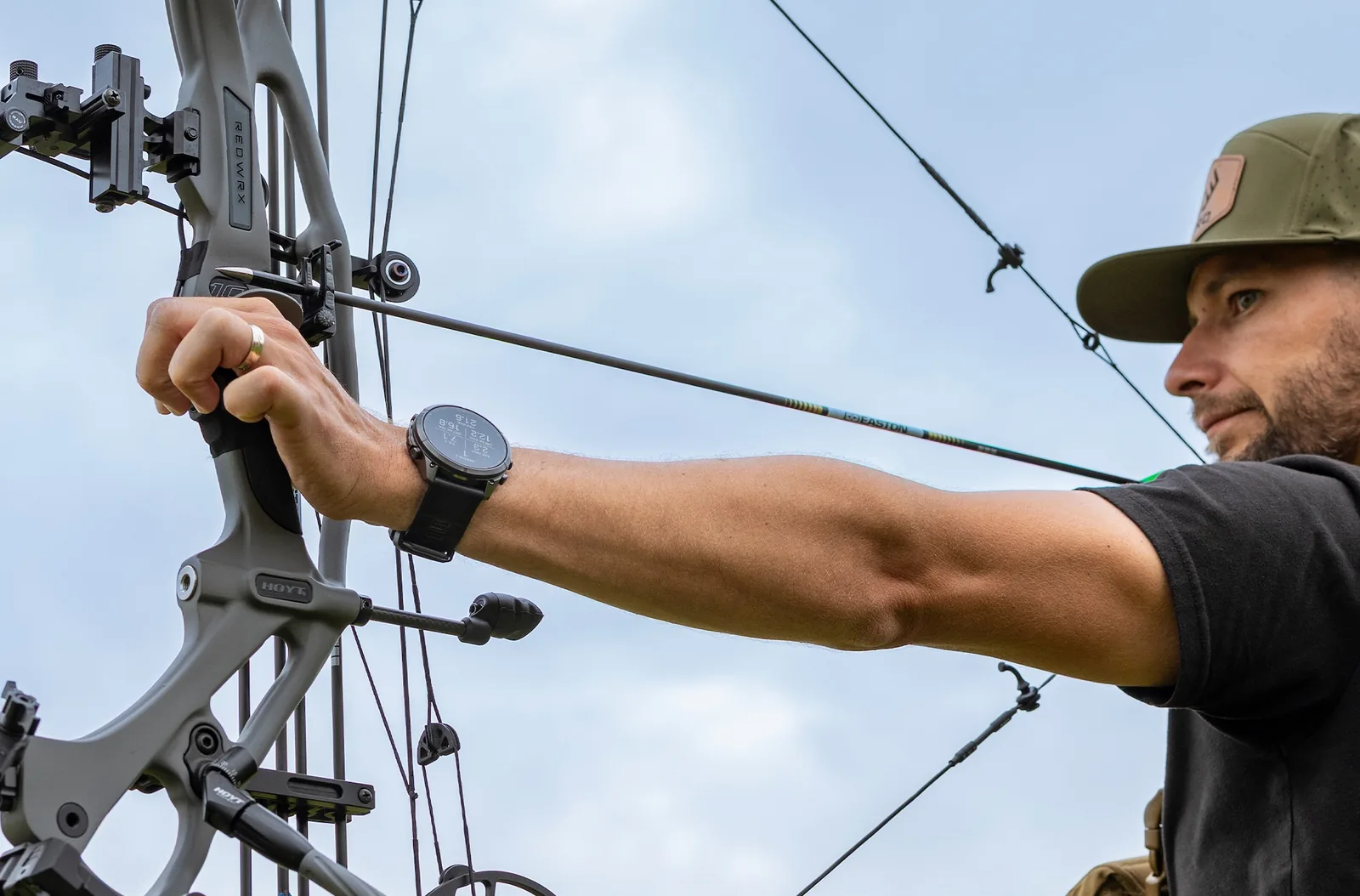
Nothing else on the market does this, and it stays exclusive to the Fenix 9. Whether it matters to you is another question. If you hunt with a compound bow or shoot target archery on the side, it might be the quiet highlight of the whole launch. If you bought an Enduro to run ultras, it probably decides nothing.

The battery numbers
This is where it gets awkward for the Fenix 9.
| Enduro 3 (51 mm) | Fenix 9 Pro Solar (51 mm) | Fenix 9 (51 mm) | |
|---|---|---|---|
| Smartwatch mode | 36 days (90 with solar) | up to 31 days (57 with solar) | up to 29 days |
| GPS only | 120 h (320 h with solar) | not published yet | not published yet |
| All systems + multiband | 60 h (90 h with solar) | not published yet | not published yet |
| Expedition GPS | 77 days (unlimited with solar) | not published yet | not published yet |
| Display | MIP transflective, 1.4 inch | MIP Solar (47 mm and up) | AMOLED only |
| Weight | 63 g with strap | heavier (titanium case) | n/a |
| Storage | 32 GB | 64 GB | 64 GB |
| Price | $899.99 | from $1,099.99 | from $999.99 |
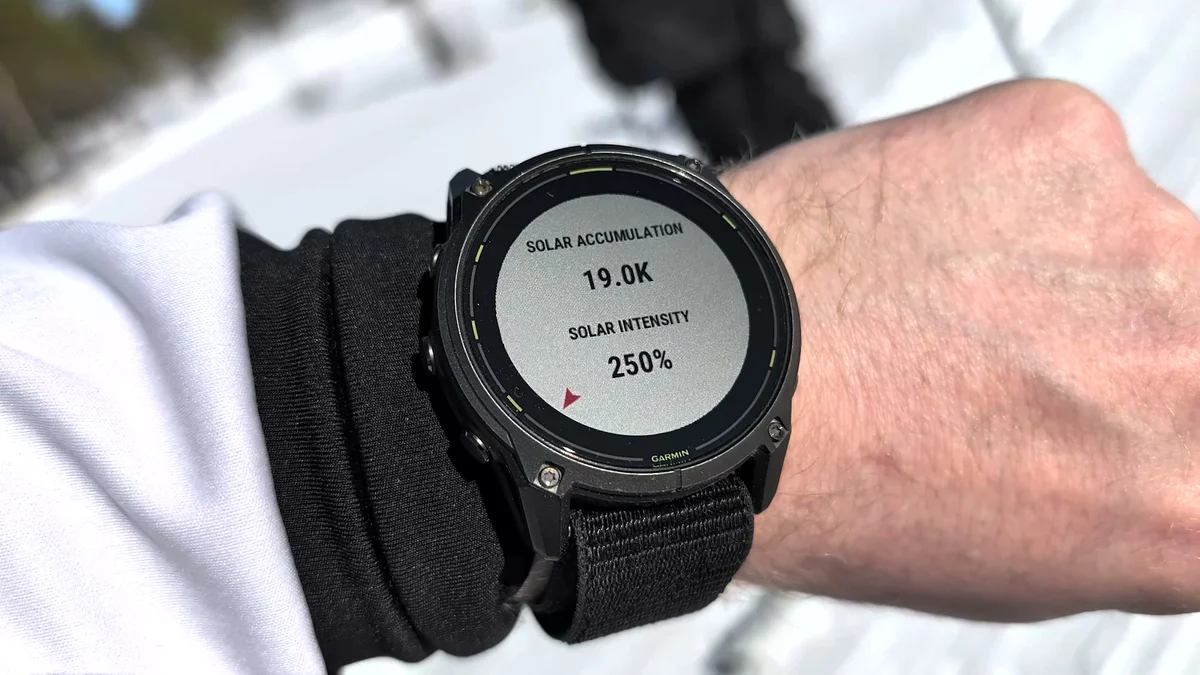
Garmin rates the Fenix 9 Pro Solar at up to 57 days with solar. The Enduro 3 is rated at 90. Without solar it’s 36 days against 31, and that’s against the newest generation.
The Enduro 3 is two years old and still wins the one number the Enduro line exists to win. You’d pay $200 more and get less of the exact thing you bought an Enduro for.
What you’d give up
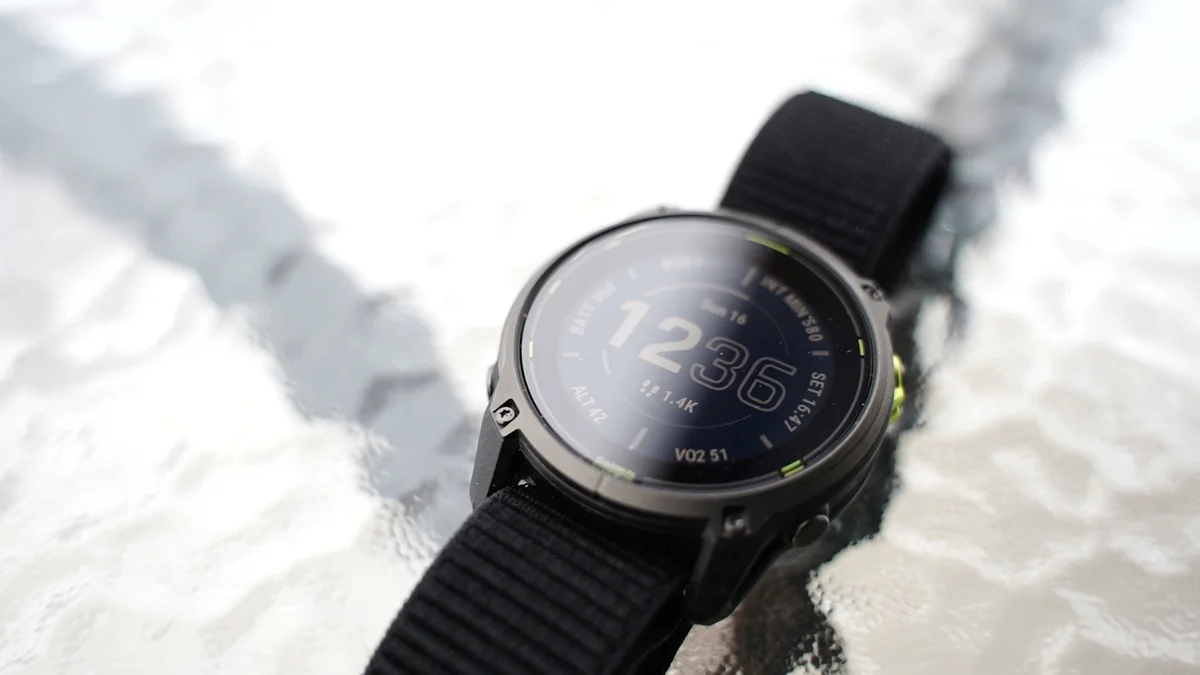
Weight. The Enduro 3 weighs 63 g with the UltraFit nylon strap, because the case is reinforced polymer with a titanium bezel rather than solid metal. Titanium looks great and weighs more. Twenty hours into a long day, I’ll take the lighter watch.
Guaranteed MIP. The Enduro 3’s display is transflective, always on, at its best in bright sun, and nearly free to run. The Fenix 9 still offers MIP, but only on the Pro Solar and Pro inReach Solar, and only at 47 mm and up. The base Fenix 9 is AMOLED in every size. So moving to a Fenix 9 doesn’t automatically mean keeping the display you have.
And $200, plus a watch you already trust. Two years of settings, data fields, straps and habits that work.
Who should actually upgrade
I can see three honest cases.
You need satellite messaging on your wrist
If you’re regularly beyond coverage and don’t want to carry a separate device, the Fenix 9 Pro replaces two things with one. That’s the best reason on this page. Worth remembering, though: an inReach Mini 2 or Mini 3 paired with your Enduro 3 does the same job for less money and with better battery life. It’s just one more thing in the pack.
You use maps hard
Route planning on the watch, frequent rerouting, lots of panning and zooming while you move. The Fenix 9’s map performance is an improvement you’ll feel every time, and the Enduro 3 will never get it.
You want a smaller watch
The Enduro 3 comes in one size, 51 mm. If that’s always been too much watch for your wrist, the Fenix 9 goes down to 43 mm. One caveat: at 43 mm you’re on AMOLED, since solar and MIP start at 47 mm.
Who shouldn’t, which is probably you
If you bought the Enduro 3 for battery life and weight, the Fenix 9 beats it at neither. And the training features you’d upgrade for are coming to your watch anyway, in a free update.
That’s an unusually clear answer. Upgrade questions usually come down to how much you value a handful of improvements against the price. This time Garmin has already handed you most of the improvements.
Keep the Enduro 3. If satellite is the real gap, spend the money on an inReach Mini instead. Or on the entry fee for something long.

What I’d wait for instead
The more interesting watch is the one that didn’t launch.
Garmin shipped the Fenix 9 and Fenix 9 Pro together and left the Enduro line alone. Since the Enduro 3 absorbs this generation’s software, there’s no pressure to rush an Enduro 4. Which means that when it comes, it will have to earn its place on hardware: battery, solar efficiency, weight, the new mapping platform, maybe satellite messaging tuned for long trips.
I’ve written that argument out in full in what the Fenix 9 launch really means for the Enduro 3 and the Enduro 4.
If you’re on an Enduro 3, that’s the launch worth waiting for.
The verdict
The Fenix 9 is a good watch and a sensible generational upgrade. Coming from an Enduro 3, though, the case for it is thin unless you need satellite messaging in the watch itself, live on the map screen, or want a smaller case.
Bottom line: keep the Enduro 3, install the update when it lands, and enjoy that this launch made the watch you bought two years ago better without costing you anything. Then keep an eye on the Enduro 4. That’s the one Garmin will have to work for.
Where to Buy
- Garmin Enduro 3: Get it here
- Garmin Fenix 8 Pro: Get it here
- Garmin Instinct 3 AMOLED: Get it here
- Garmin Instinct 3 Solar: Get it here
- InReach Mini 2: Get it here
- InReach Mini 3: Get it here
- Bike mount for Enduro 3: Get it here
- Compatible QuickFit bike computer mount: Get it here
Fenix 9 links will be added once orders open.
Disclosure: The links above are affiliate links. If you purchase through these links, I may earn a small commission at no additional cost to you. This helps support the channel and allows me to continue creating content like this.