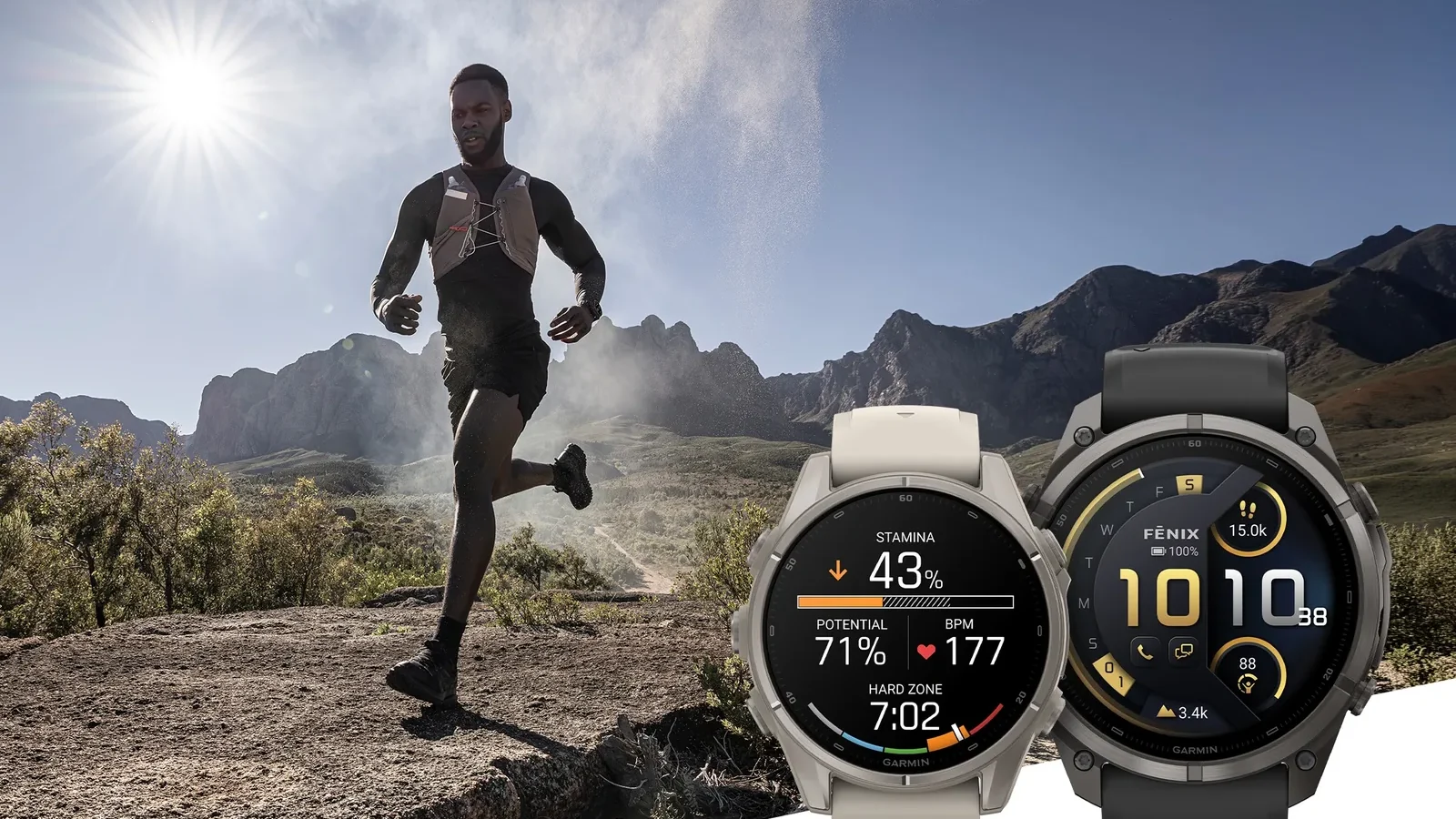
Garmin launched the Fenix 9 and Fenix 9 Pro on 25 August 2026. New hardware, a titanium case at the top of the Pro range, 64 GB of storage, satellite and LTE built in, and a long list of new software features.
What interests me most, though, is what this launch says about where Garmin is heading, and what that means for the Enduro 3 on my wrist and for the Enduro 4 that didn’t show up alongside it.
Most of what makes the Fenix 9 new is coming to watches Garmin has already sold. Once you know that, the whole launch reads differently.
MIP survived, but it moved upmarket
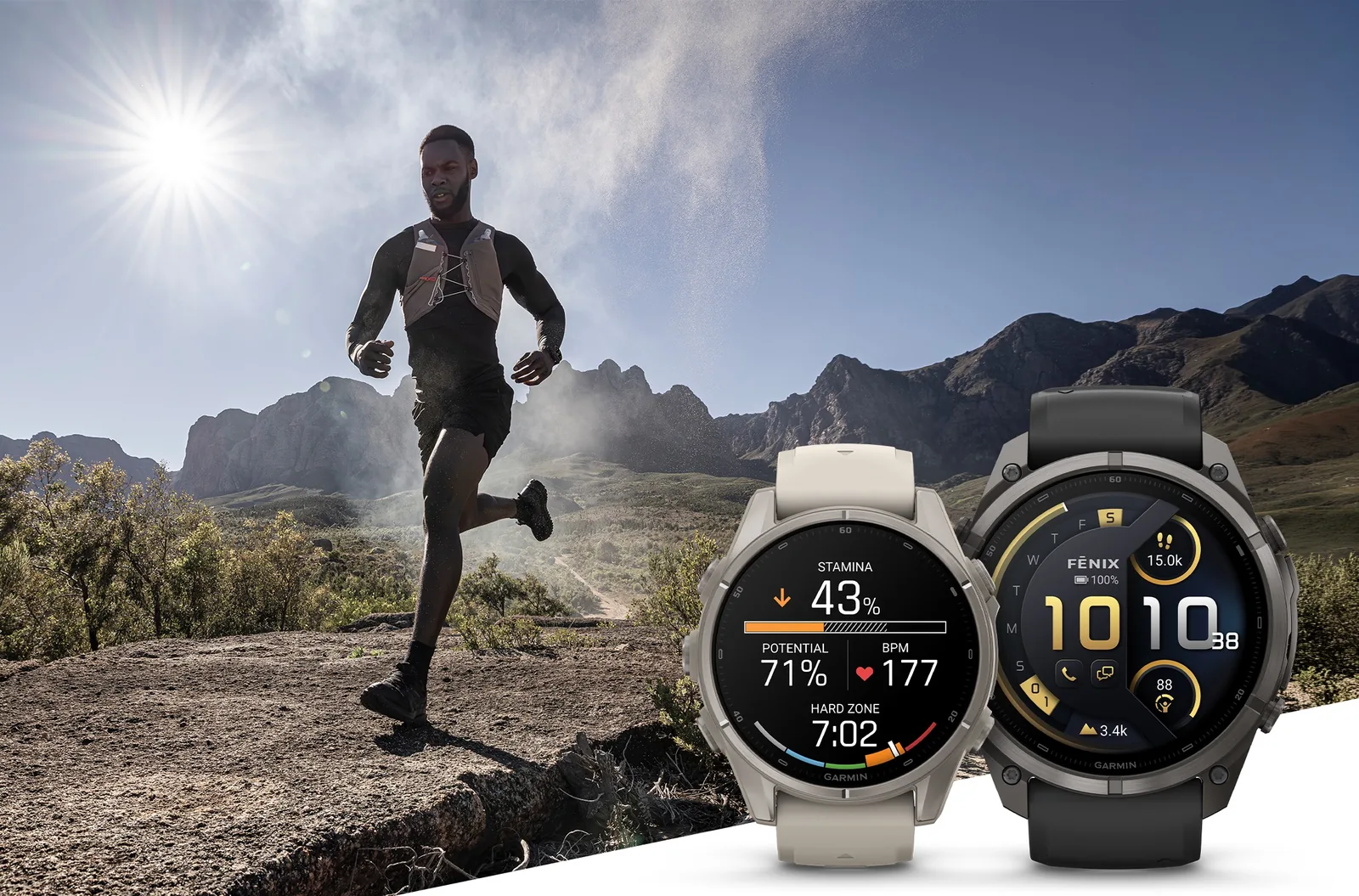
Plenty of us expected Garmin to go all in on AMOLED this generation. It didn’t, and I’m glad. But it’s worth being precise about where MIP actually ended up, because the placement surprised me.
The base Fenix 9 is AMOLED only, in all three sizes. MIP now lives exclusively on the Fenix 9 Pro Solar and Pro inReach Solar, and only from 47 mm upward. If you want a 43 mm case, you’re getting AMOLED whether you like it or not.
So Garmin pulled MIP out of the broad lineup and pushed it toward the top.
I find that more interesting than a simple survival story. The transflective display used to be the traditional choice. Now it’s the specialist option at the top of the range, bundled with solar. AMOLED is the default even on the flagship outdoor watch, and MIP is what you pay extra for when you want daylight readability and a display that stays on around the clock without draining the battery.
If you feared the Fenix 8 Pro Solar might be the last of its kind, you can relax. At the same time, Garmin has clearly narrowed its idea of who wants MIP. That person is the endurance user. In other words, the Enduro user.
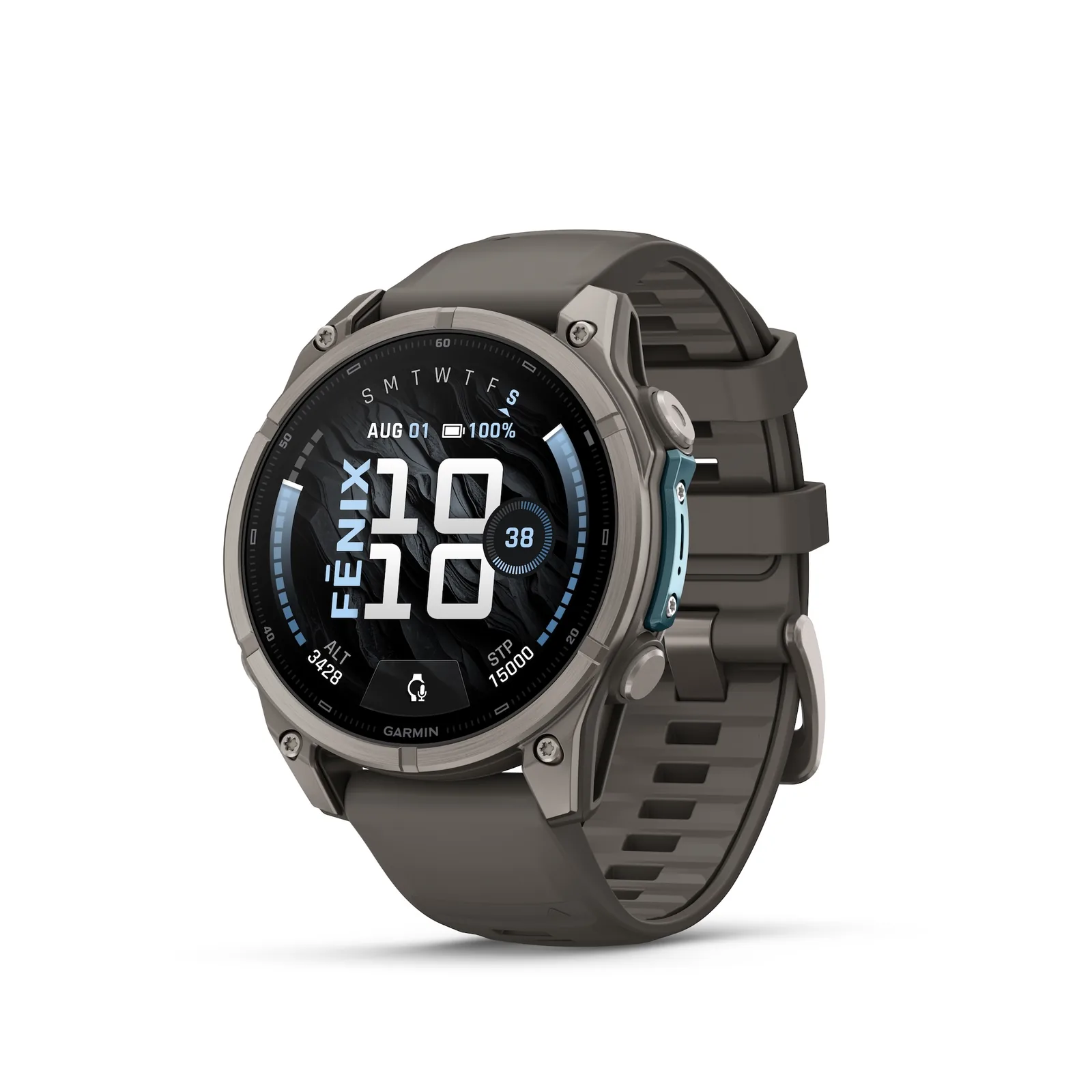
Garmin launched Fenix alone
The other thing that stands out: no new Enduro.
A few explanations make sense to me. The simplest is bandwidth. Garmin shipped the Fenix 9 and Fenix 9 Pro at the same time, which it hasn’t done before, and that’s already a crowded launch. An Enduro 4 on top would have been buried.
It could also be that the Enduro 3 still has a clearly defined job: the extreme endurance watch, with MIP, solar, low weight, and battery life nothing else in the range touches. A new Fenix generation leaves that position intact. If anything, a lineup where MIP has become a premium Pro Solar option makes the Enduro 3 look even more deliberate.
Or, and this is the one I’d like to believe, the Enduro 3 sells well enough that Garmin doesn’t need to replace it yet and would rather give it its own moment later.
So what does this mean for those of us already wearing one?
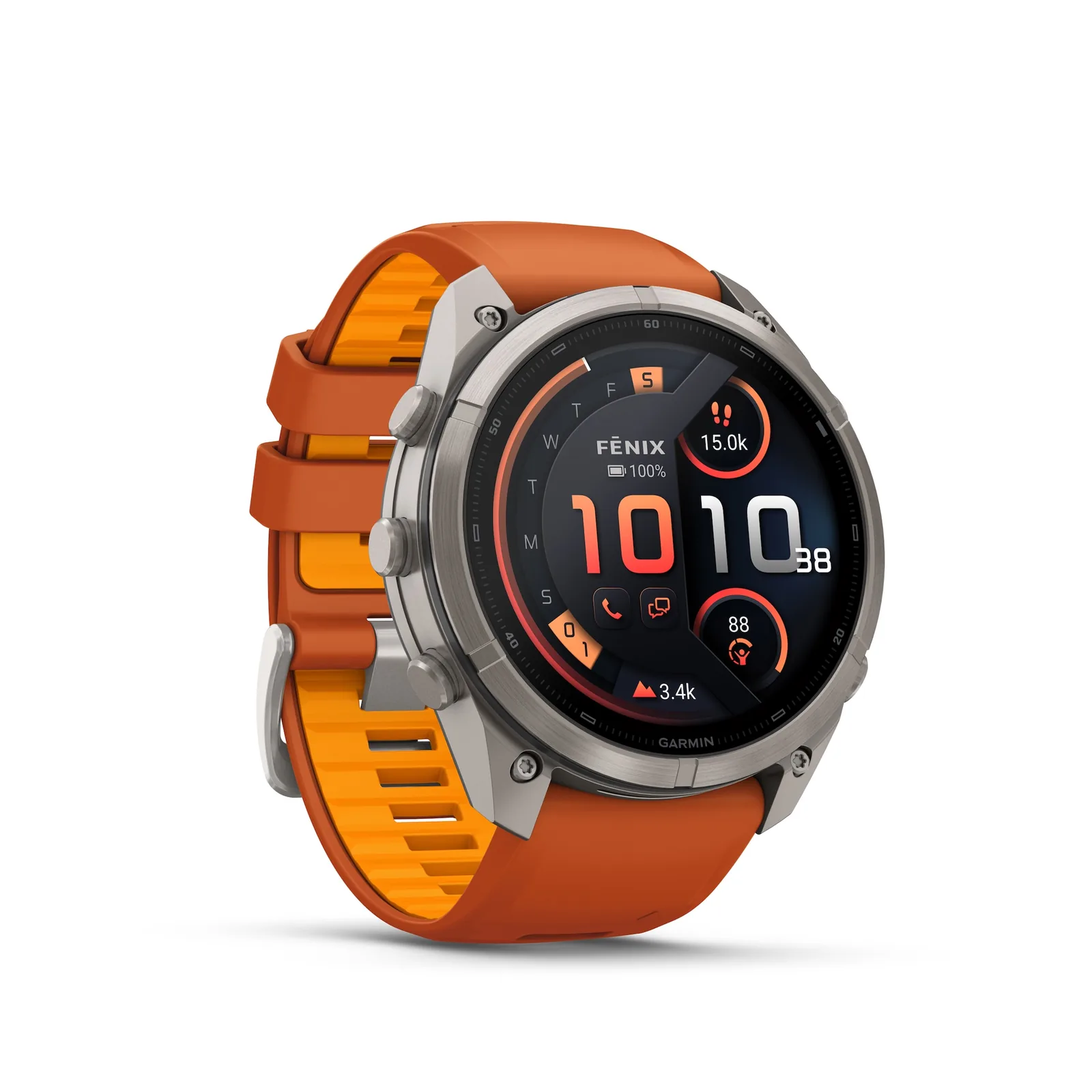
The launch makes the Enduro 3 more interesting
Most of the Fenix 9’s new software is coming to the Enduro 3.
Garmin now treats its premium watches as one firmware group: the Fenix 8 series, Enduro 3, tactix 8, Forerunner 970 and 570, Fenix E and Venu X1. New features ship across the whole group instead of being locked to the newest hardware. Anyone who owned a Fenix 5 or 6 knows how big a change that is. For years, the newest features stayed on the newest flagship.
The Enduro 3 is in line for:
- Garmin Epic: trips spanning several days grouped into one story on the watch and in Garmin Connect
- Stamina zones, stamina endurance time and stamina trending
- Stamina curves for running and cycling
- The full rucking upgrade: pack weight you can adjust during an activity, a target calculator on the watch, dedicated reports, multisport support and structured rucking workouts
- An indoor rowing overhaul: heart rate and power zones, power curves, FTP, rowing VO2 Max, lactate threshold and performance condition
- Ski Erg as an activity profile
- Rolling GAP, both as a data field and as a workout target
- Garmin Locate in the Messenger app
- inReach weather updates over satellite
That list is the bulk of the launch.
The Enduro 3 stays current even with a Fenix 9 on the shelves. The gap between the two watches is narrowing to hardware alone.
If you own one and are wondering whether to upgrade anyway, I’ve gone through that question separately: is the Fenix 9 actually worth it if you already own an Enduro 3?

Where the Enduro 3 genuinely falls behind
Some things the Enduro 3 can’t inherit, and they all come down to hardware.
Mapping is the clearest example. The Fenix 9 has 50% more RAM than the Fenix 8, a faster map engine, roughly 30% quicker panning, smoother zooming and a new perspective view. All of it depends on the new platform, and none of it is coming to the Enduro 3.
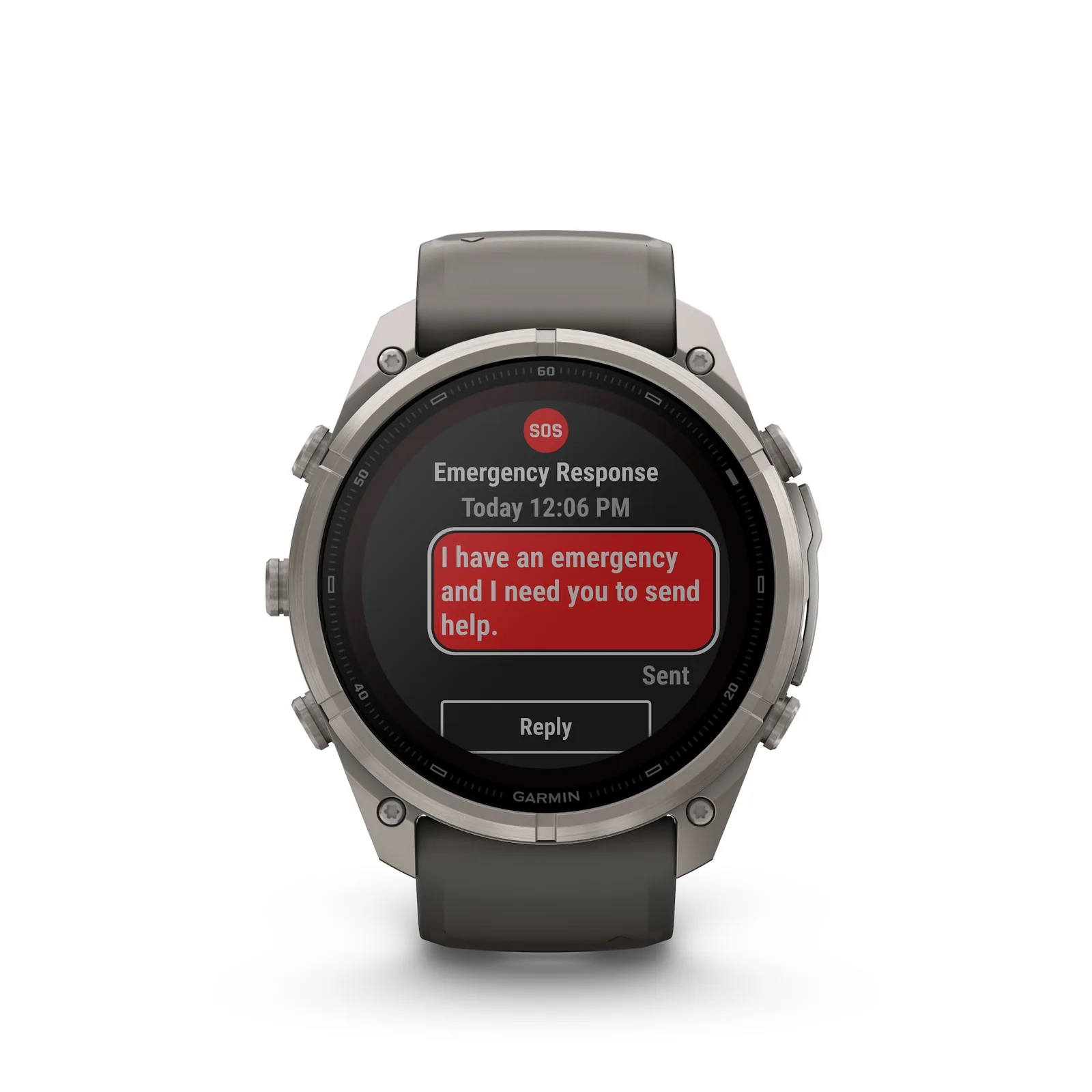
Same with connectivity. The Fenix 9 Pro has inReach satellite messaging and LTE in every size. The Enduro 3 doesn’t have the radios, and no firmware update can fix that.
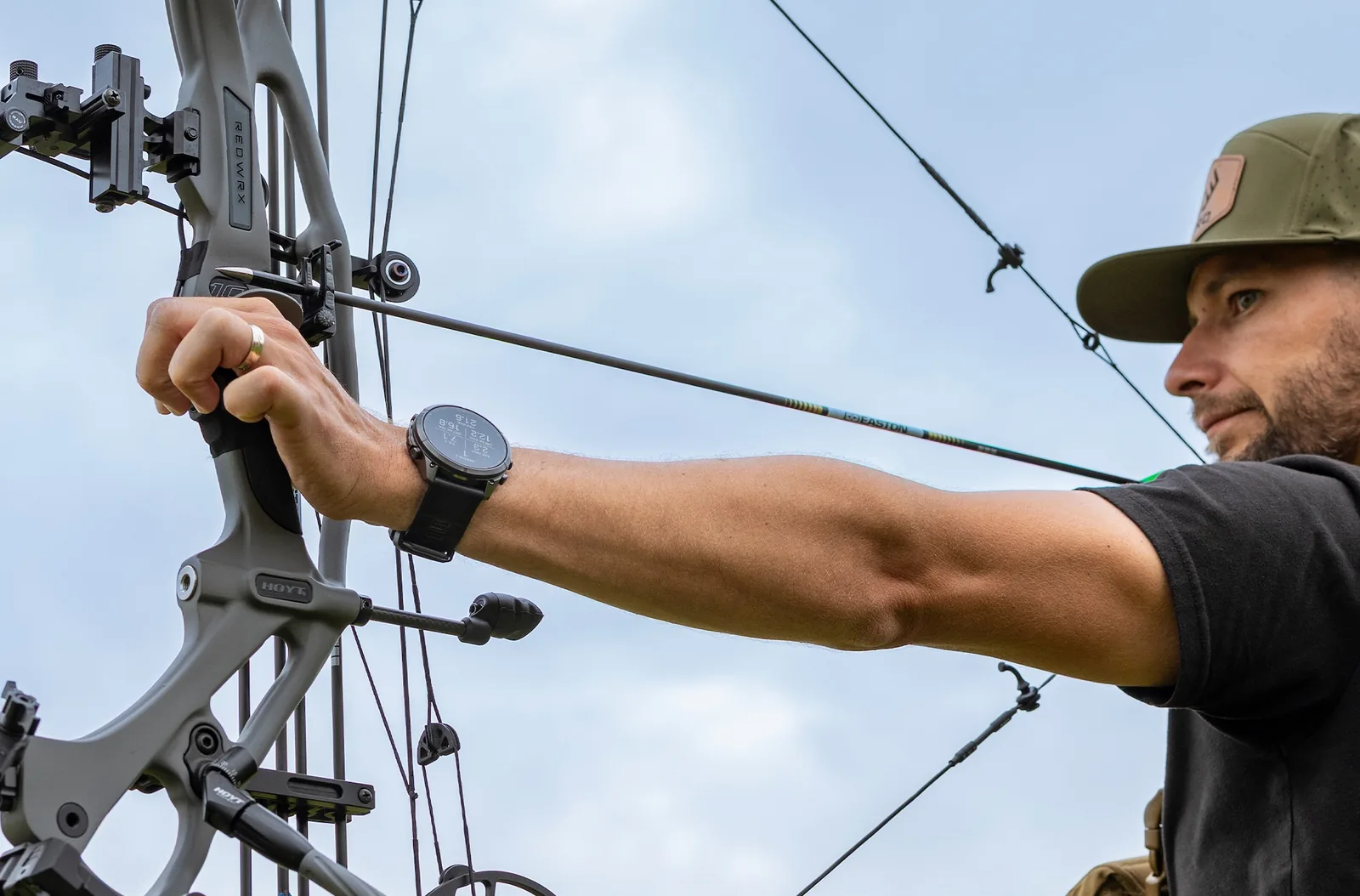
ArcheryX stays Fenix 9 exclusive too, along with the renamed dynamic battery modes. ArcheryX got its own press release and deserves a word of explanation: a dedicated activity for archers shooting compound bows, where the watch detects each shot, times your draw, counts arrows and grades how steady your bow arm is, with an animated trace of your aim and deeper trends in Garmin’s ShotView app. A genuinely new idea, clearly aimed at hunters and target shooters rather than the endurance crowd. If you bought an Enduro, I suspect you’ll survive without it.
The division is clean: the Enduro 3 can inherit Fenix 9 software, but it can’t inherit Fenix 9 hardware. Keep that distinction in mind. I think it will shape Garmin’s product strategy for years.
Endurance Score and the new stamina features
The addition I’m most curious about is how Garmin keeps expanding its endurance and stamina metrics.
I found Endurance Score genuinely useful while training for a longer cycling event. Based on how I actually performed afterwards, it tracked how my endurance developed over the months better than I expected.
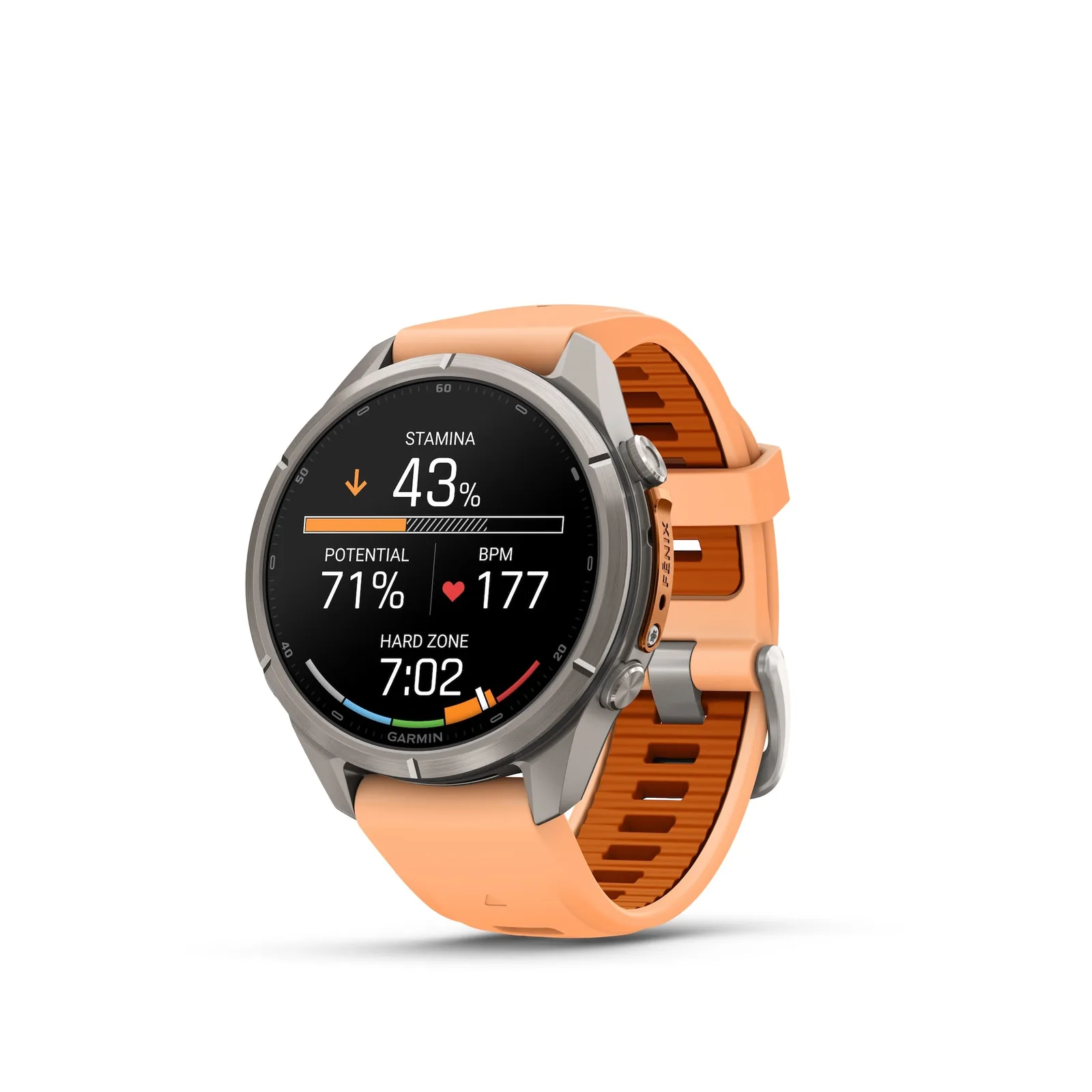
What Garmin is adding now is context around that number. Stamina zones, stamina endurance time and stamina curves are meant to show how long you can hold a given level of effort, and how that ability changes over time.
That’s a meaningful step. A single endurance score tells you something has changed. A stamina curve should tell you what to do with it on race day: what pace you can defend for six hours instead of two.
For long rides, trail ultras and big hiking days, that’s the shape of data I actually want. It’s also exactly the question an Enduro owner keeps asking.
The rucking upgrades fit the Enduro even better
The rucking and pack weight expansion is the other piece I keep coming back to.
You could already enter a pack weight. The new system goes much further. You can change the weight during an activity, the watch has its own target calculator, calorie tracking breaks out pack load separately, and Garmin is adding structured rucking workouts plus dedicated reports covering weight, calories, elevation and pace.
Changing pack weight along the way is the detail that matters most. On a long day you start heavy with food and water and finish light. If the watch can follow that, the load and calorie numbers become something you can actually trust.
Honestly, these features fit the Enduro better than the Fenix. Fastpacking, hikes that run over several days, ultras, long days under a loaded pack. That’s Enduro territory, and the Enduro 3 is getting all of it.
Which leaves an obvious question: what’s left for Garmin to put in an Enduro 4?
Satellite connectivity is the real unknown
The satellite and LTE functionality is what I most want to see tested properly, because a spec sheet and a good implementation are two different things.
My questions are about how it behaves in practice:
- How does the watch choose between phone, LTE and satellite? Does it prefer LTE and fall back automatically, or does it need to be told?
- Does it search for satellites continuously, or only when you actively send something?
- What does satellite use actually cost you in battery over a long activity?
- Can you message people outside Garmin’s ecosystem without friction?
For a watch built to run for days at a time, these details decide whether the feature is useful or just present. The ideal version is the one you never think about. You send a message, and the watch picks the network.
I’ll hold my judgment until someone has used it for several days somewhere with no coverage and actually needed it to work.
So what does the Enduro 4 have to be?
This is where the launch gets interesting.
If the Enduro 3 gets stamina zones, stamina curves, advanced rucking, Garmin Epic, the rowing overhaul and Rolling GAP through firmware, Garmin can’t sell an Enduro 4 on training features. They’ll already be on the watch you own.
So the Enduro 4 has to win on hardware. The obvious candidates:
- even longer battery life
- better solar efficiency
- lower power draw
- lower weight
- the faster mapping hardware and new map engine
- more efficient GNSS
- satellite connectivity, in a form that doesn’t wreck battery life on long trips
- something built purely for ultra endurance that no other Garmin has
My bet is still that battery life stays the headline. Garmin could take the Fenix 9 platform and tune it hard for endurance instead of features, which is roughly what the Enduro line has always been.
I hope for one thing beyond that: a feature only the Enduro gets. If the Enduro is going to be more than a Fenix with a bigger battery, at some point it needs something of its own.
The Enduro 3 may have bought Garmin more time
There’s a ripple effect here that’s easy to miss.
Because the Enduro 3 can absorb so much of the Fenix 9 feature set through software, Garmin is under less pressure to rush an Enduro 4. The Enduro 3 stays current, owners stay happy, and nobody feels stranded on hardware they bought two years ago.
Good position for Garmin. It can wait until it has a hardware upgrade worth charging for, instead of shipping a new Enduro just because a new Fenix arrived.
If that’s the plan, the Enduro 4 could be a bigger jump than it otherwise would have been. Instead of:
Enduro 3 + Fenix 9 software = Enduro 4
Garmin can wait for:
Fenix 9 generation software + substantially better endurance hardware + something only the Enduro does.
A much better reason to upgrade, and a much better watch.
Final thoughts
For me, the most interesting part of the Fenix 9 launch is the direction it points.
Garmin kept MIP alive but moved it upmarket, which tells me the endurance buyer is still worth building specific hardware for. And it’s shipping new software to watches it already sold instead of fencing features behind new hardware, which tells me something about how Garmin plans to keep its customers.
If you own an Enduro 3, this is good news. You’re about to get most of a flagship launch for free, on a watch with one advantage no firmware can copy: battery life.
It also puts Garmin in a corner, in a good way. To justify itself, an Enduro 4 will have to become the most specialized endurance watch Garmin has ever made.
And that might be the best outcome of this launch.
Related reading
- Is the Garmin Fenix 9 actually worth it if you already own an Enduro 3?
- Garmin Enduro 3 after one year: still worth it in 2026?
- Garmin Enduro 3 battery life: the complete optimization guide
- Garmin Enduro 4: why 2026 could be the year of the ultra watch
- Garmin Fenix 9: everything we knew before the 2026 launch